Food and Nutrition
This initiative remains a key priority for the Pacific Islands Development Forum (PIDF), particularly as many Pacific Island countries continue to face significant challenges related to climate change, global supply chain disruptions, and a heavy dependence on imported food products.
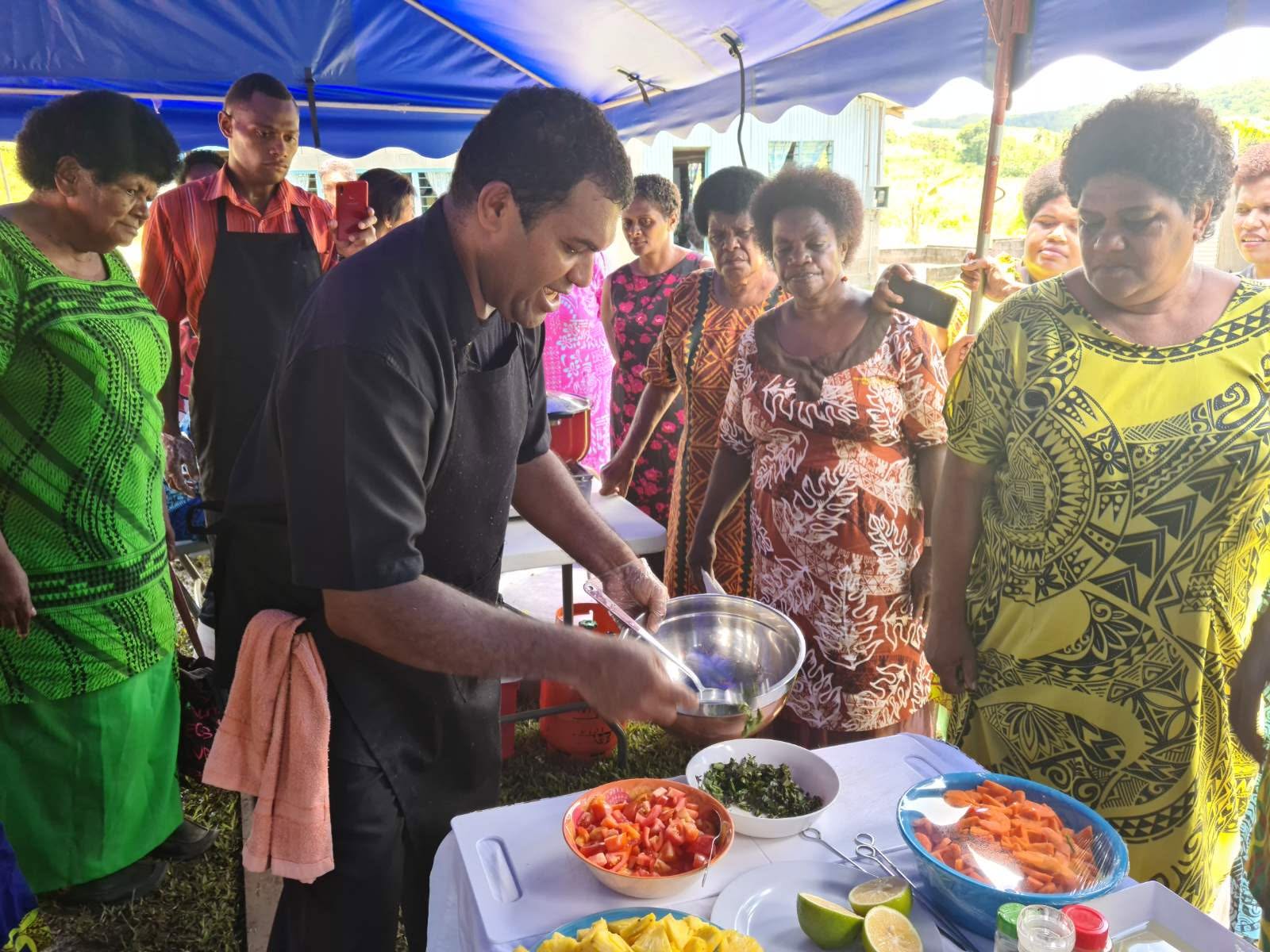
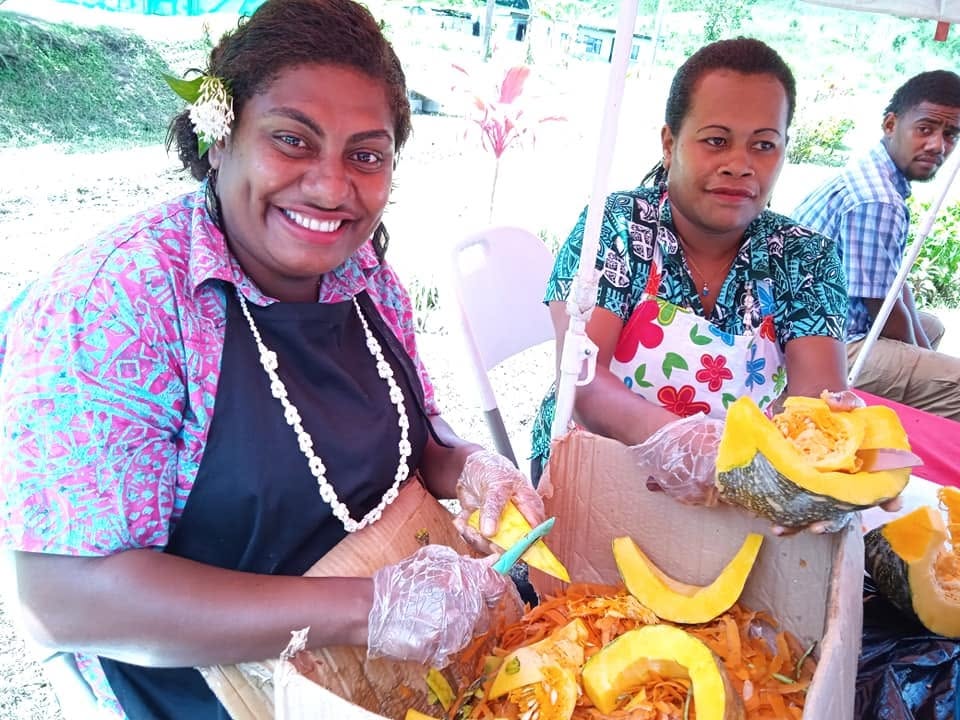
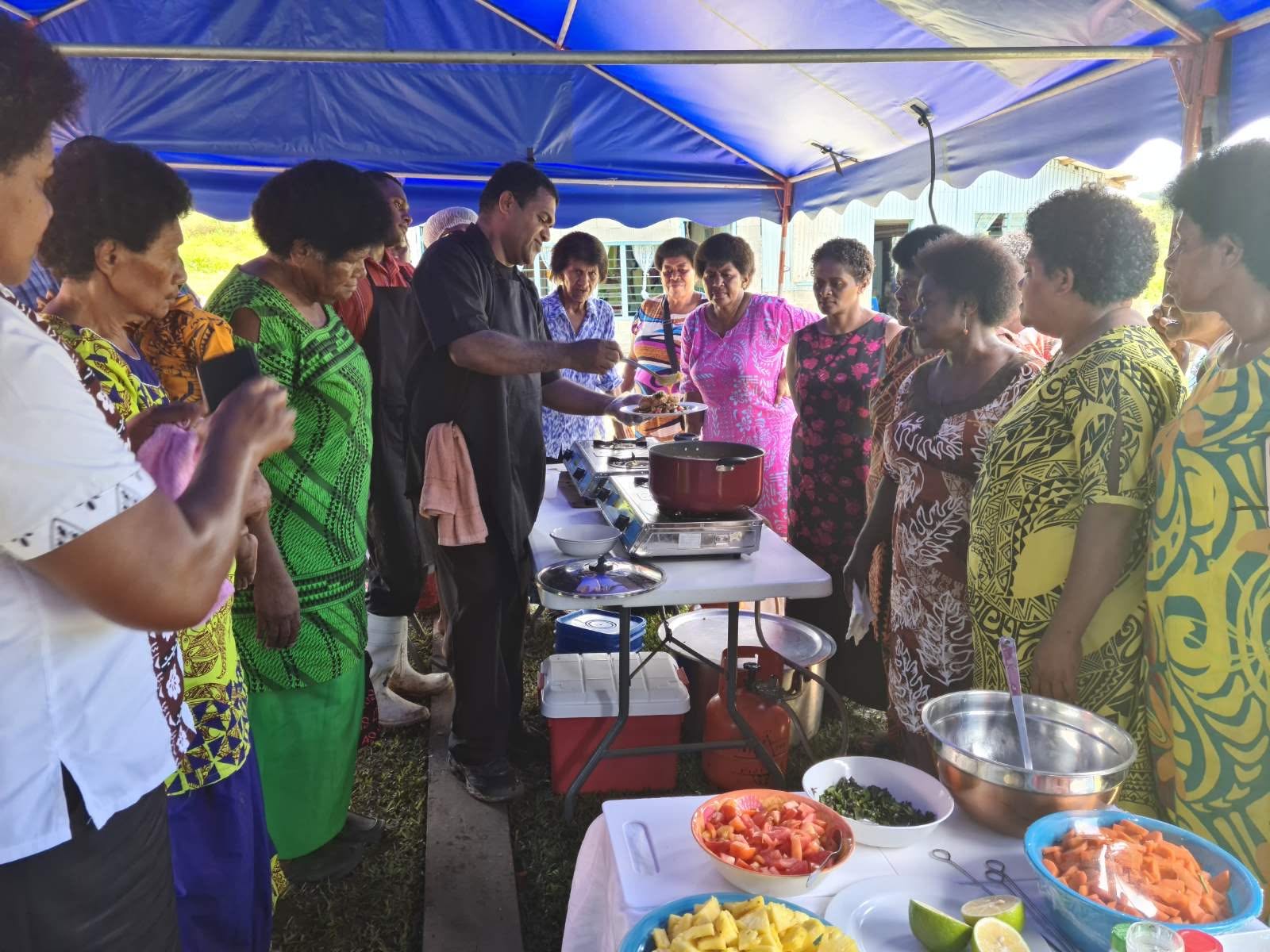
In response, the Pacific Fresh Airlink initiative has been established to strengthen regional food security, enhance economic resilience, and promote healthier lifestyles across the Pacific. Through the Pacific Fresh Airlink project, the PIDF supports the export of fresh agricultural produce from Fijian farmers to regional markets, creating new economic opportunities for local producers while improving access to fresh and nutritious food in Pacific communities. The initiative represents a collaborative partnership between the PIDF and Northern Pacific countries, with the shared objective of reducing poverty, supporting sustainable economic growth, and strengthening regional cooperation through agriculture and trade.
A key component of the initiative is its direct support for farmers in Fiji, particularly those in the Tailevu and Ra provinces. The project assists farmers in improving the quality, consistency, and market readiness of their produce through enhanced agricultural practices, post-harvest handling, and supply chain coordination. By strengthening local production capacity and helping farmers meet regional export standards, the initiative aims to increase income opportunities for rural communities while promoting long-term agricultural sustainability.
Under the project, fresh produce will be airfreighted from Nadi, Fiji, to Naoero, as well as plans to the Republic of the Marshall Islands, the Federated States of Micronesia, and the Republic of Palau. By improving the availability of locally sourced fruits and vegetables across the region, the initiative also aims to address the growing prevalence of non-communicable diseases (NCDs) by encouraging healthier dietary choices and improved nutrition outcomes. In addition to supporting public health and economic development, the Pacific Fresh Airlink initiative contributes to broader regional sustainability goals by strengthening agricultural value chains, reducing food insecurity, increasing farmer resilience, and enhancing regional cooperation among Pacific Island nations.
Blue Economy
The Pacific Islands Development Forum (PIDF) positions the Blue Economy as a pathway for sustainable and resilient Pacific development by promoting sustainable and inclusive development through a Green-Blue Pacific approach.
The PIDF, together with its Partners, established the Pacific Countries Marine Spatial Planning and Blue Economy Cooperation Center (PMEC).
The Center is proposed to support efforts by PIDF member countries in developing the blue economy agenda through the establishment of comprehensive and appropriate regional and national architecture to foster ocean economic growth and development while ensuring that the natural capital assets continue to provide the resources and environmental services.
Under the Center, there a number of initiatives that the PIDF is concentrating on such as:-
- Development of the Blue Economy
- Sustainable Fisheries and Aquaculture
- Marine Special Planning
- Sustainable Transport
- Education and Capacity Building
Initiatives under the Blue Economy
By strengthening infrastructure, building technical capacity, supporting sustainable industries, and promoting climate-resilient ocean development tailored to the unique needs of the Pacific region. Support for value-added industries is particularly important for Pacific Island Countries. Rather than exporting raw marine resources, Pacific nations can benefit from investments in fish processing, packaging, cold chain systems, and export market development that create local employment, generate income, and increase economic returns within the region. This can be achieved through strengthening the Pacific Countries Marine Spatial Planning and Blue Economy Cooperation Center (PMEC).
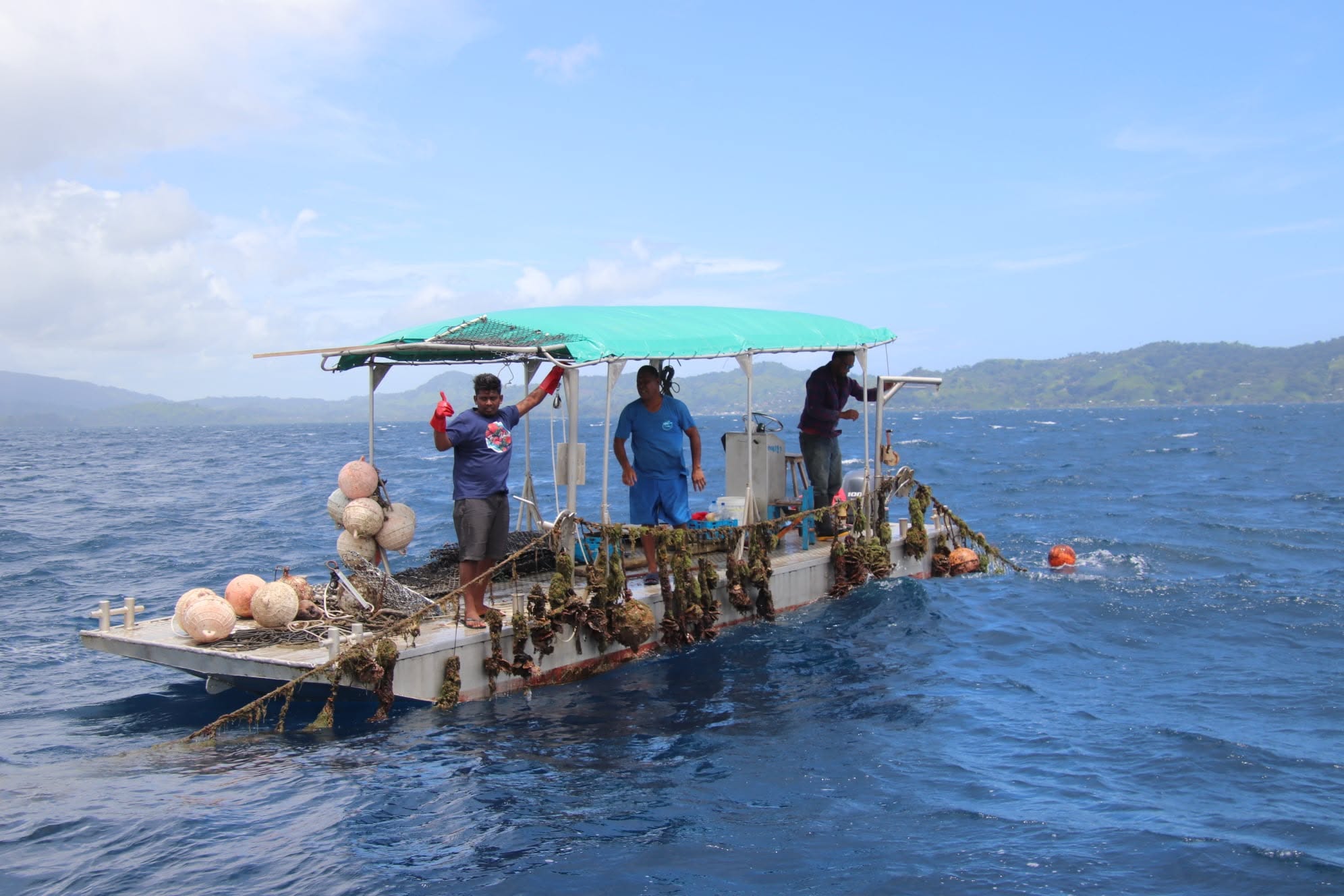
Expansion of aquaculture projects (sea cucumber, seaweed farming, prawn farming, reef fish aquaculture) to reduce reliance on wild stocks. Value-added processing facilities to help PICs export higher-quality marine products rather than raw materials.
Through the Seaweed Initiative, the Pacific Islands Development Forum (PIDF) will promote seaweed farming as a sustainable industry that supports income generation, food security, environmental sustainability, and renewable energy development in Pacific communities.
Seaweed farming provides economic opportunities for coastal communities, especially women and youth, as it requires minimal land, freshwater and resources. It also contributes to food security by providing a nutritious local food source and reducing dependence on imported foods.
In addition, seaweed can be used as a natural preservative in food, cosmetics, and pharmaceutical products, creating opportunities for local processing and value-added industries. The PIDF also recognizes the potential of seaweed as a source of biofuel, supporting clean energy and reducing reliance on fossil fuels.
Environmentally, seaweed farming helps absorb carbon dioxide, improves water quality, and supports sustainable ocean management. Through regional cooperation, investment, and community engagement, the PIDF aims to develop seaweed farming as a key driver of sustainable economic growth and climate resilience in the Pacific.
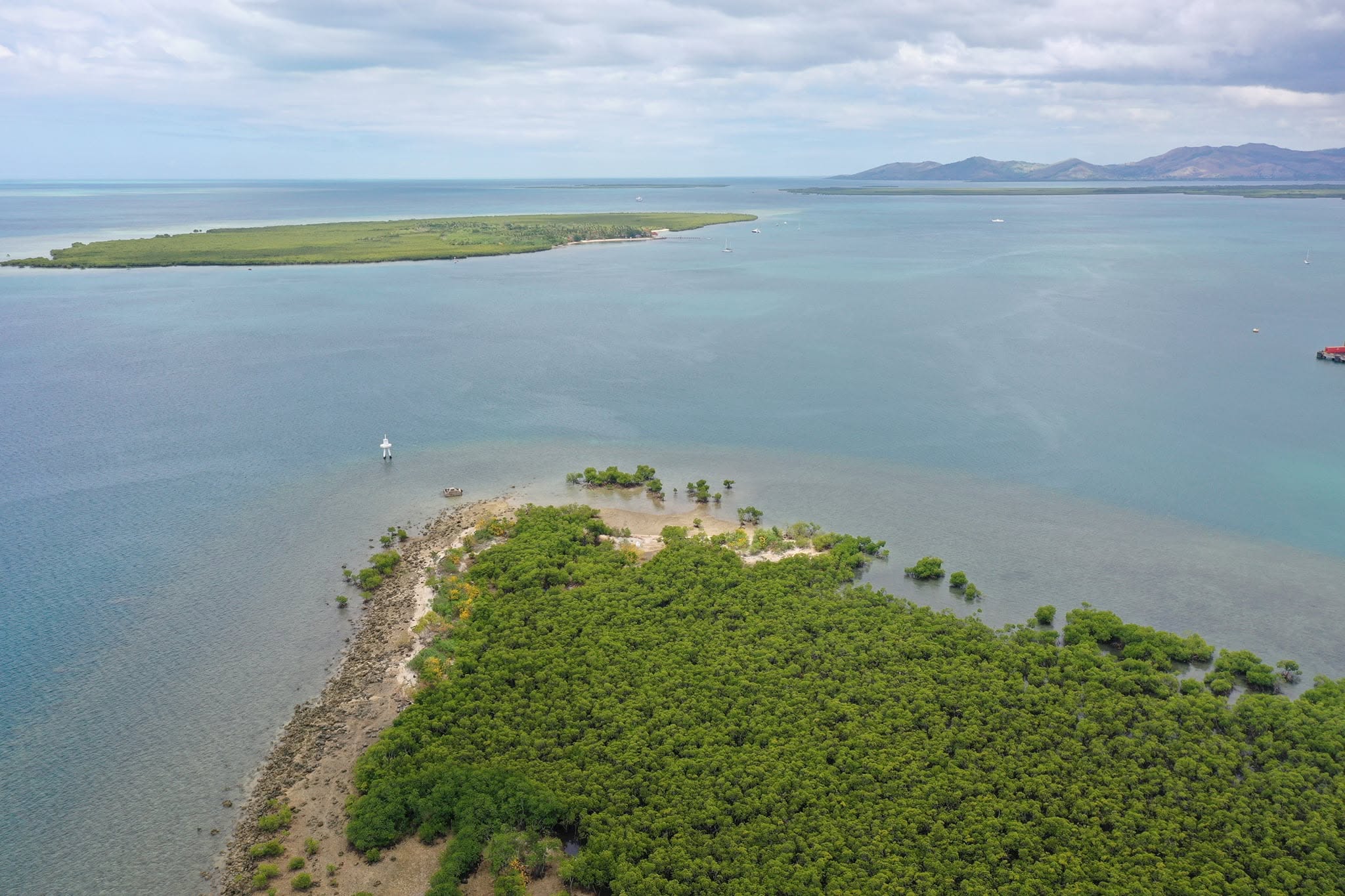
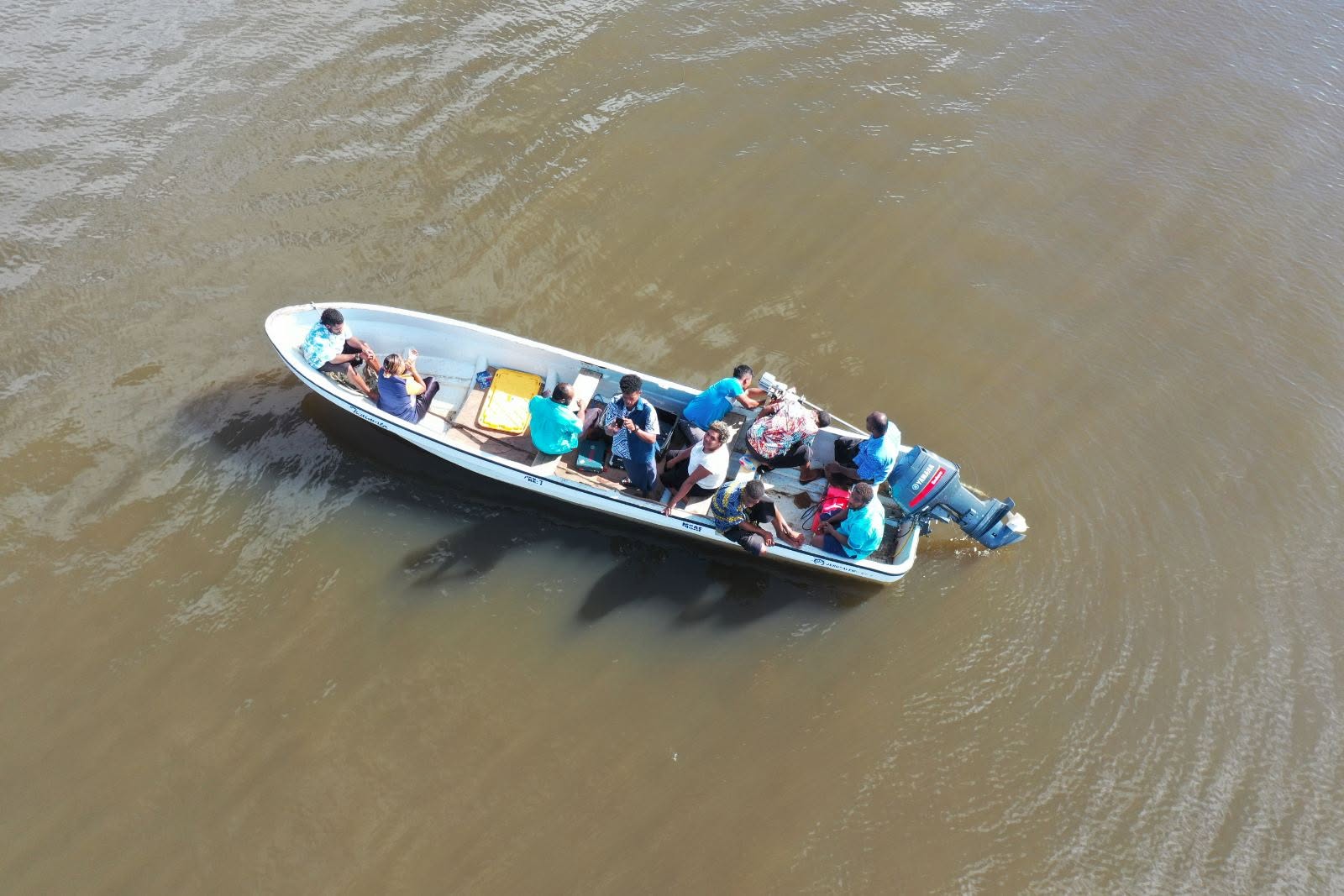
The PIDF had developed the Marine Spatial Plan (MSP) for Viti Levu as a pilot project, in collaboration with the China Communications Construction Water Transportation Consultants Co.,Ltd & the China Ocean Development Foundation (CODF). This initiative was first launched at Malake and Ovalau islands, on August 2024.
The MSP initiative was developed in partnership with regional and international stakeholders, this initiative supports ocean governance and blue economy efforts through Marine Spatial Planning, seaweed development, International Zero-Carbon Island Cooperation, and the Center for Disaster Risk Reduction and Cooperation.
Support for regional dialogue and collaboration on low-emission transport systems initiatives that promote cleaner energy and help to reduce fuel dependency across parts of the Pacific.
Contribute towards excellence in business mentoring for start-ups through enabling it to provide a forum for dialogue between the members of PIDF and the private sector in the Pacific.
One of the ways to address and enable better socio-economic development for the Pacific region is through training and capacity building of entrepreneurs in the green and blue economy.