[rev_slider_vc alias=”pidf”]
Latest News

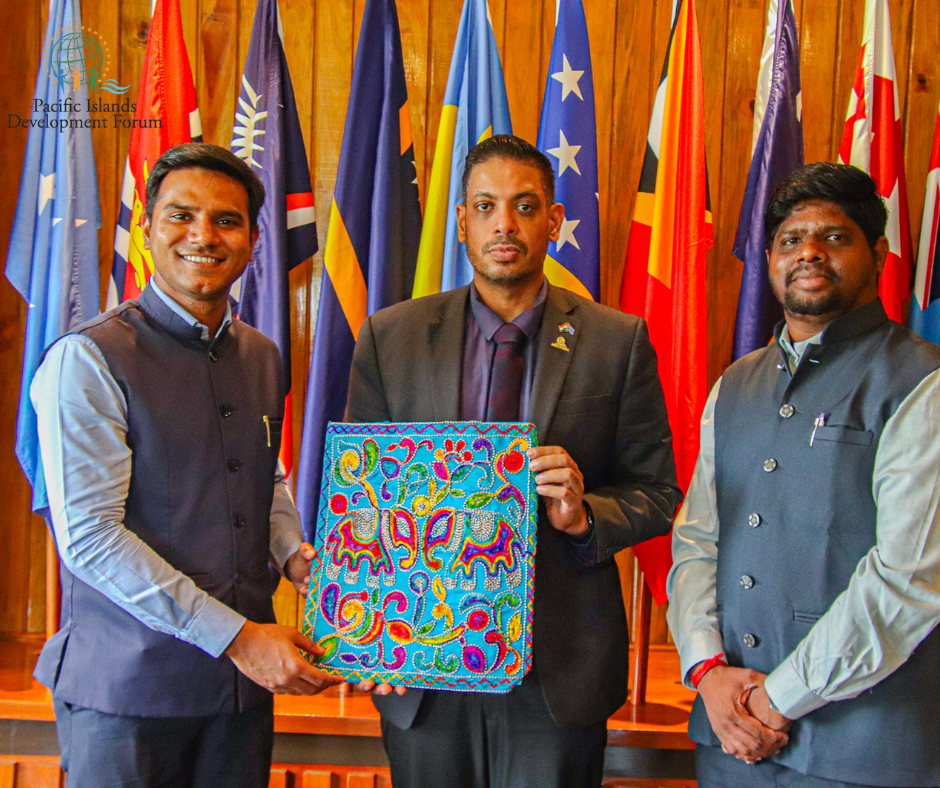
𝗣𝗜𝗗𝗙 𝗮𝗻𝗱 𝗥𝗮𝘀𝗵𝘁𝗿𝗶𝘆𝗮 𝗥𝗮𝗸𝘀𝗵𝗮 𝗨𝗻𝗶𝘃𝗲𝗿𝘀𝗶𝘁𝘆 𝗗𝗶𝘀𝗰𝘂𝘀𝘀 𝗔𝗿𝗲𝗮𝘀 𝗼𝗳 𝗖𝗼𝗼𝗽𝗲𝗿𝗮𝘁𝗶𝗼𝗻
Suva | The Pacific Islands Development Forum (PIDF) hosted representatives of India’s Rashtriya Raksha University at the PIDF Secretariat for discussions on potential cooperation in marine law and policy development, sustainable development and coastal protection.
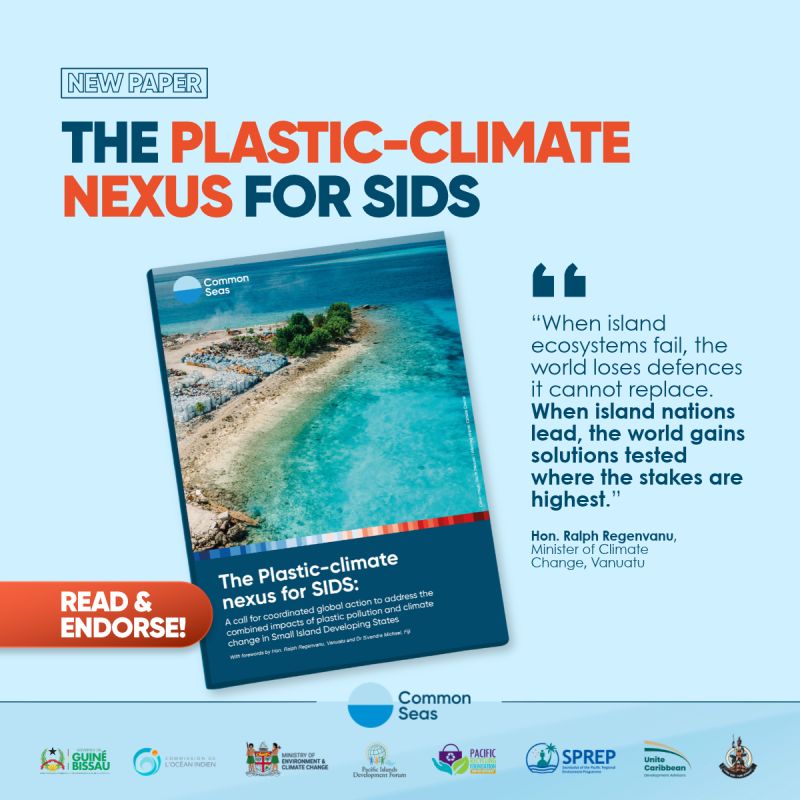
𝗢𝗻𝗲 𝗖𝗿𝗶𝘀𝗶𝘀, 𝗧𝘄𝗼 𝗙𝗿𝗼𝗻𝘁𝘀: 𝗪𝗵𝘆 𝗦𝗜𝗗𝗦 𝗔𝗿𝗲 𝗖𝗮𝗹𝗹𝗶𝗻𝗴 𝗳𝗼𝗿 𝗔𝗰𝘁𝗶𝗼𝗻 𝗼𝗻 𝘁𝗵𝗲 𝗣𝗹𝗮𝘀𝘁𝗶𝗰-𝗖𝗹𝗶𝗺𝗮𝘁𝗲 𝗡𝗲𝘅𝘂𝘀
November 19, 2026 – Antalya, Türkiye. In a new paper, SIDS are calling on the world to stop treating plastic pollution and climate change as separate crises – and to address the existential threat converging on our shores.
The PIDF Secretary – General, Ms Arpana Pratap was delighted to contribute to 𝙏𝙝𝙚 𝙋𝙡𝙖𝙨𝙩𝙞𝙘-𝘾𝙡𝙞𝙢𝙖𝙩𝙚 𝙉𝙚𝙭𝙪𝙨 𝙛𝙤𝙧 𝙎𝙄𝘿𝙎, co-authored by Common Seas and government civil society leaders across island regions.
The paper demonstrates how plastic pollution and climate change compound to create exponential risks for our ecosystems, livelihoods and cultures.
SIDS contribute less than 1% of global greenhouse gas emissions and contribute little to the plastic system – yet we are overburdened by both crises and under-resourced to respond.
For Fiji, the plastic-climate nexus is not an abstract concept but a lived reality. Climate-induced disasters often exacerbate waste management challenges, while plastic pollution undermines the resilience of the very ecosystems that help buffer the impacts of climate change.
As a champion of ocean conservation and climate action, Fiji recognizes the urgent need for coordinated policies that address these interconnected threats, strengthen community resilience, and ensure that Small Island Developing States receive the support and financing needed to lead solutions on the frontlines of both crises.
This is just the beginning. We’re now inviting organisations to endorse our calls to action and build momentum towards integrated policymaking ahead of Plastics Treaty negotiations next year.
𝗢𝘂𝗿 𝗱𝗲𝗺𝗮𝗻𝗱𝘀 𝗮𝗿𝗲 𝘀𝗶𝗺𝗽𝗹𝗲:
1️⃣Recognise the plastic-climate nexus and its compounding impacts on SIDS across UFCCC and Plastics Treaty processes.
2️⃣Unlock finance to drive integrated action, prioritising accessible, stable and grant-based support, with additional finance to address the adaptation gap in SIDS.
3️⃣Advance a SIDS-led research agenda to identify opportunities for coordinated policymaking.
Follow the link here to read more and support: https://commonseas.com/our-work/plastic-climate-nexus-sids/
𝗡𝗼 𝗟𝗮𝘀𝘁𝗶𝗻𝗴 𝗣𝗲𝗮𝗰𝗲 𝗪𝗶𝘁𝗵𝗼𝘂𝘁 𝗘𝗻𝘃𝗶𝗿𝗼𝗻𝗺𝗲𝗻𝘁𝗮𝗹 𝗦𝗲𝗰𝘂𝗿𝗶𝘁𝘆, 𝗦𝗮𝘆𝘀 𝘁𝗵𝗲 𝗣𝗜𝗗𝗙 𝗮𝘁 𝗖𝗢𝗣𝟯𝟭
November 13, 2026 – Antalya, Türkiye. The Secretary General of Pacific Islands Development Forum (PIDF), Ms Arpana Pratap has urged the international community at COP31, to place environmental protection at the heart of peace and security discussions.
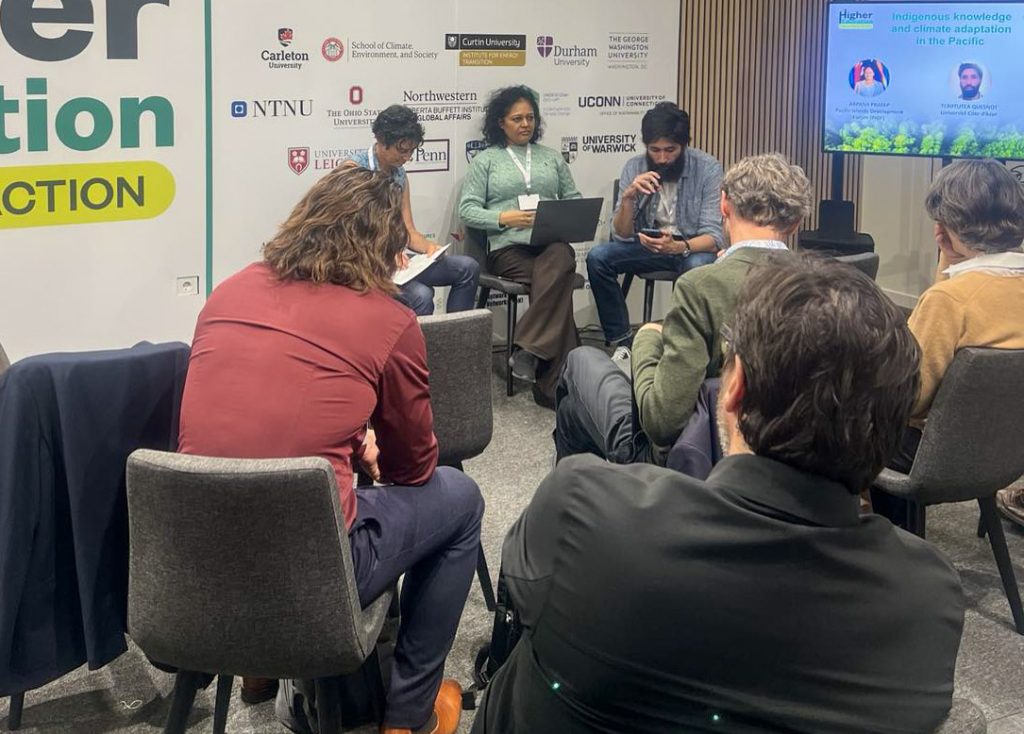
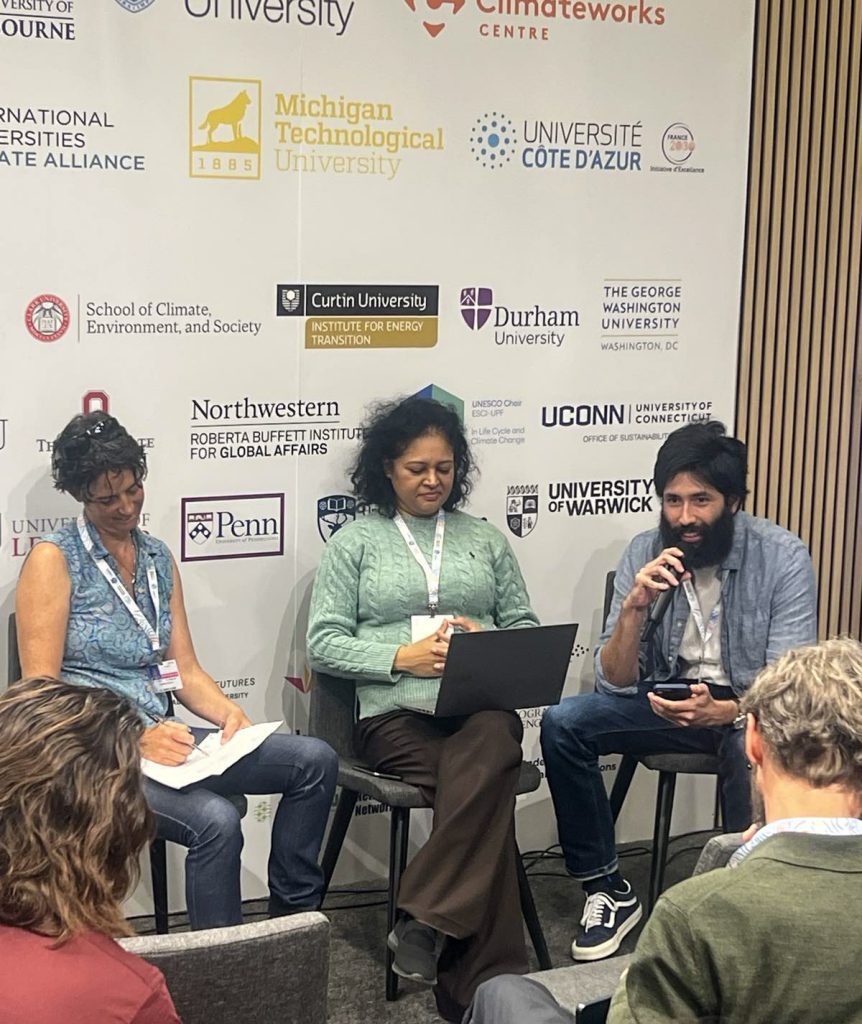
𝗥𝗲𝗰𝗼𝗴𝗻𝗶𝘁𝗶𝗼𝗻 𝘄𝗶𝘁𝗵𝗼𝘂𝘁 𝗿𝗲𝗽𝗿𝗲𝘀𝗲𝗻𝘁𝗮𝘁𝗶𝗼𝗻 𝗶𝘀 𝗶𝗻𝘀𝘂𝗳𝗳𝗶𝗰𝗶𝗲𝗻𝘁
November 13, 2026 – Antalya, Türkiye. Sustainable development and climate resilience in the Pacific cannot succeed by merely consulting Indigenous communities; they must be recognized as rights-holders, knowledge-holders, and primary decision-makers with real authority over their resources and futures.
This was the message shared by the Ms. Arpana Pratap, Secretary General of the Pacific Islands Development Forum (PIDF) during a panel discussion on Indigenous Knowledge and Climate Adaptation in the Pacific at COP 31.
Ms Pratap shared that while there is increased international recognition that indigenous and traditional knowledge is important for climate adaptation, she warned that international recognition rarely translates into actual power on the ground.
“In the Pacific, this is a particularly important issue because communities have accumulated generations of knowledge about weather patterns, seasonal changes, ocean currents, biodiversity, food production, water management and natural hazards,” Ms Pratap said.
“The challenge is not that Indigenous knowledge is insufficient. The challenge is that many existing institutional systems are not designed to recognise, accommodate or work effectively with it.”
Ms Pratap adds that in the Pacific—where communities hold generations of lived expertise regarding ocean currents, seasonal shifts, biodiversity, and natural hazards—treating local input as an afterthought to validate pre-made technical decisions undermines long-term resilience.
“My central argument is that Indigenous knowledge must move from the margins of adaptation policy to the centre of adaptation governance,” Ms Pratap said.
“It should not simply be used to validate decisions that have already been made; it must help determine what decisions are made in the first place.“Even where policies recognise traditional knowledge, there are often no practical mechanisms to ensure that it influences project design, investment decisions or implementation.
“The solution is not to choose between science and Indigenous knowledge, but to create approaches that allow both knowledge systems to inform decisions on an equal and complementary basis.”
Green and blue economy approaches offer important opportunities for Pacific Island countries, particularly in addressing climate change, promoting sustainable livelihoods, protecting biodiversity and strengthening economic resilience.
However, these approaches must be grounded in the realities of Pacific societies, where land, forests, coastal areas and ocean resources are closely connected to customary ownership, traditional governance systems and cultural identity.
“I must emphasize on the fact that customary rights and traditional governance systems are not obstacles to sustainable development; they are essential foundations for it,” Ms Pratap said.
“In many Pacific communities, customary systems already regulate access to fisheries, forests, land and marine resources through traditional practices, seasonal restrictions, community agreements and customary stewardship.
“These systems have evolved over generations and often reflect a sophisticated understanding of ecological balance and resource sustainability.”
As a multilateral and multi-stakeholder organization, the PIDF plays a key role in advancing inclusive and sustainable development needs of the Pacific.
Its approach of inclusive strategies, multi-stakeholder governance and genuine partnerships provides an important foundation for addressing power imbalances that hinder sustainable development efforts in the Pacific.
“However, genuine partnerships must go beyond bringing different stakeholders together. They must create the conditions for all stakeholders, particularly Indigenous communities and other historically underrepresented groups, to influence development priorities and outcomes,’ Ms Pratap said.
“For the Pacific, this also means recognising that development should be shaped by our own cultural values, customary institutions, collective responsibilities and understanding of our relationship with land and ocean.
“We should not simply import development models and expect Pacific communities to adapt to them. We should build development models that reflect Pacific realities and aspirations.”
END
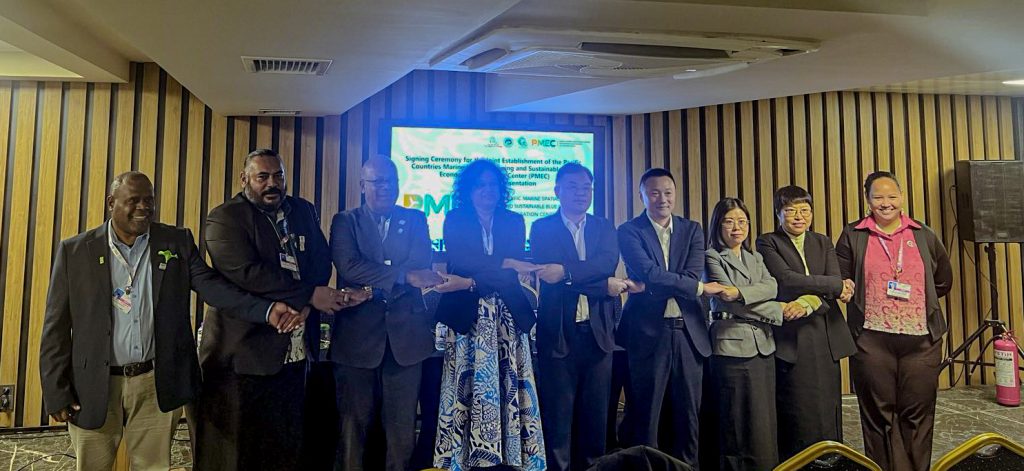
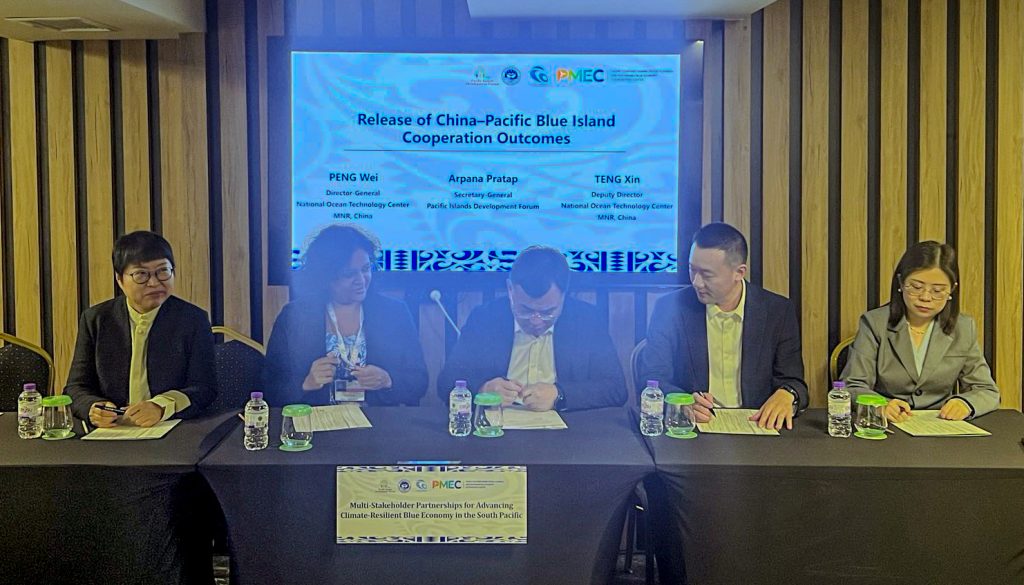
𝗣𝗜𝗗𝗙 𝗨𝗻𝘃𝗲𝗶𝗹𝘀 𝗕𝗹𝘂𝗲 𝗜𝘀𝗹𝗮𝗻𝗱𝘀 𝗣𝗮𝗿𝘁𝗻𝗲𝗿𝘀𝗵𝗶𝗽 𝗩𝗶𝘀𝗶𝗼𝗻 𝘁𝗼 𝗔𝗰𝗰𝗲𝗹𝗲𝗿𝗮𝘁𝗲 𝗦𝘂𝘀𝘁𝗮𝗶𝗻𝗮𝗯𝗹𝗲 𝗗𝗲𝘃𝗲𝗹𝗼𝗽𝗺𝗲𝗻𝘁 𝗶𝗻 𝘁𝗵𝗲 𝗣𝗮𝗰𝗶𝗳𝗶𝗰
November 10, 2026 – 𝗔𝗻𝘁𝗮𝗹𝘆𝗮, 𝗧ü𝗿𝗸𝗶𝘆𝗲. As climate change negotiations continued at COP31 in Türkiye, the Pacific Islands Development Forum (PIDF) took the opportunity to advance the Pacific’s vision for sustainable development through the launch of the Pacific Blue Islands Initiative.
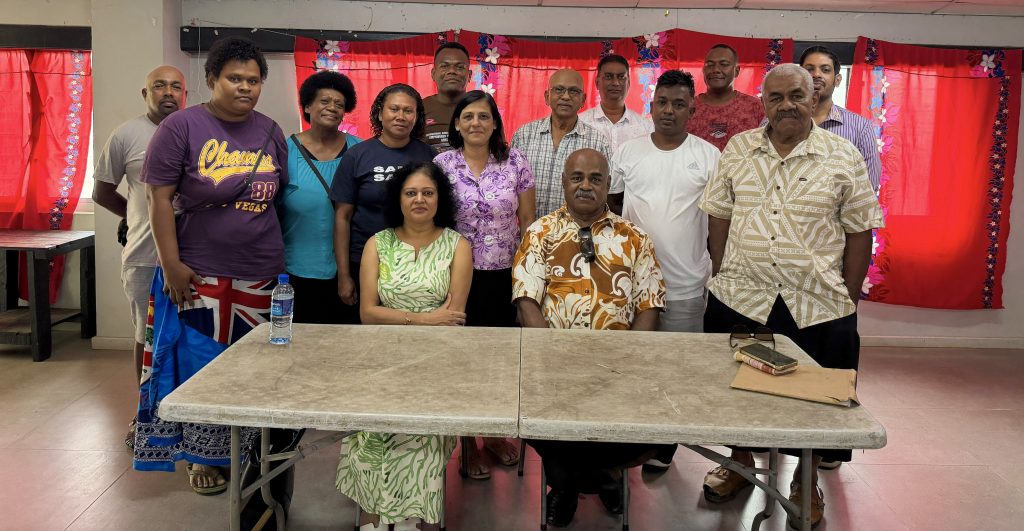
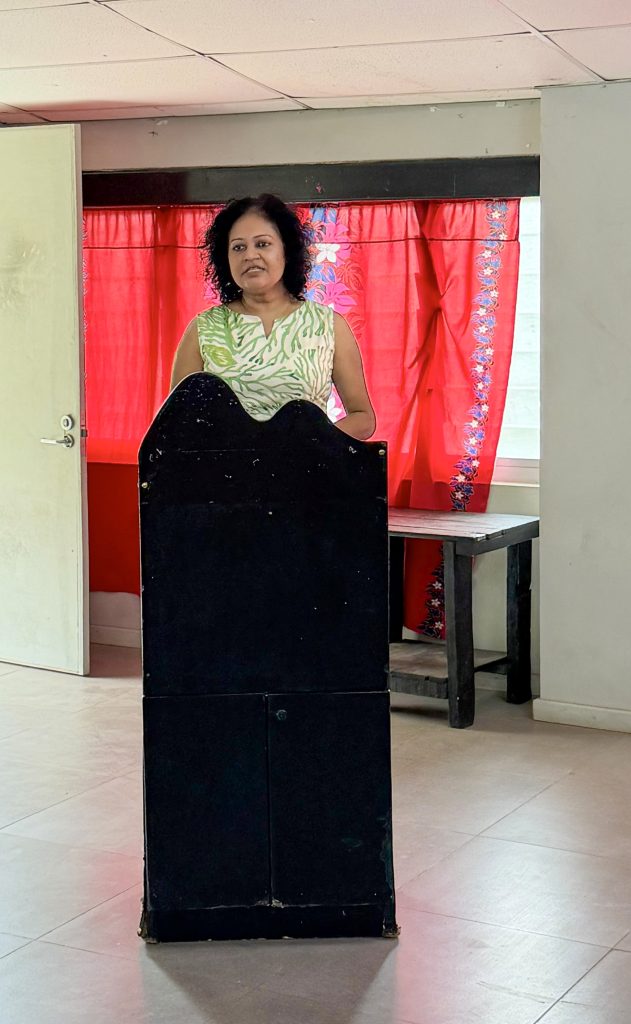
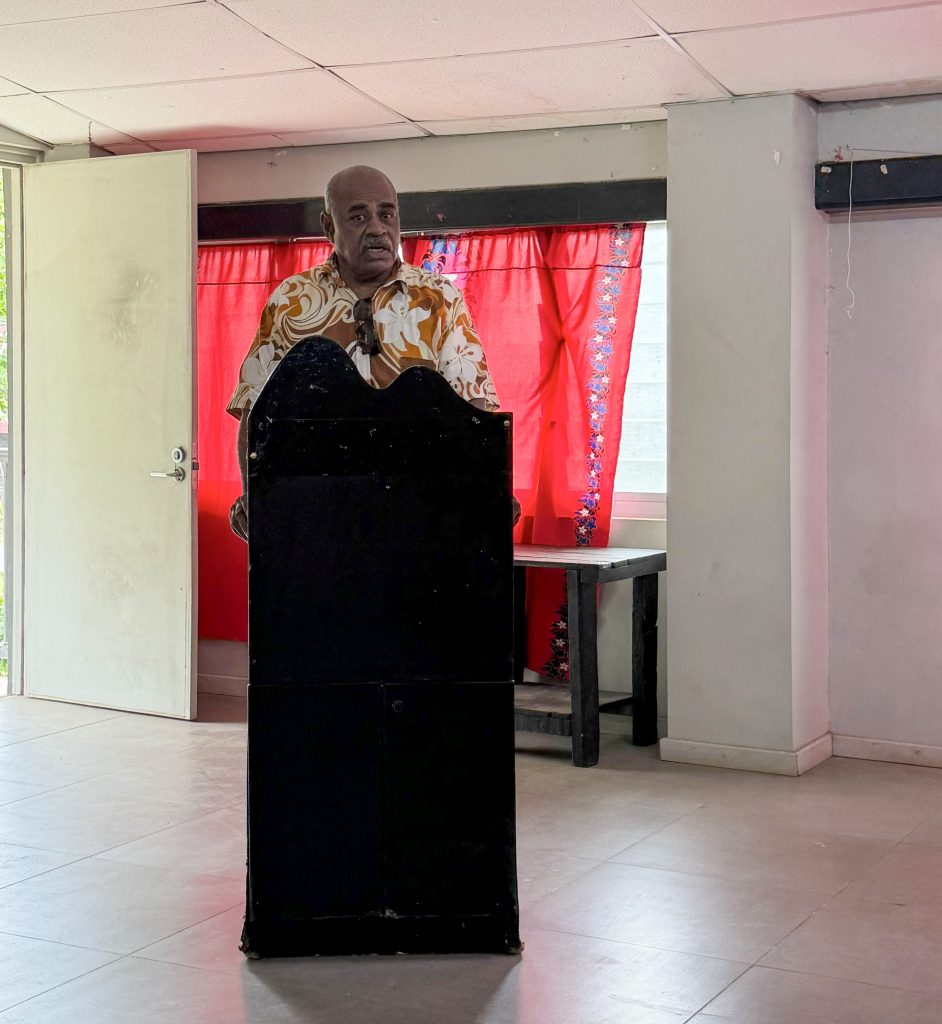
𝗠𝗮𝗽𝗽𝗶𝗻𝗴 𝗘𝘅𝗲𝗿𝗰𝗶𝘀𝗲 𝗶𝗻 𝗥𝗮𝗸𝗶𝗿𝗮𝗸𝗶 𝘁𝗼 𝗜𝗱𝗲𝗻𝘁𝗶𝗳𝘆 𝗣𝗼𝘁𝗲𝗻𝘁𝗶𝗮𝗹 𝗘𝘅𝗽𝗼𝗿𝘁𝗲𝗿𝘀
October 29, 2026 – The Pacific Islands Development Forum (PIDF), in partnership with the Rakiraki Town Council, are planning to undertake a comprehensive mapping exercise of farmers, agricultural activities, and potential cooperatives across the Rakiraki area to strengthen sustainable agriculture and expand access to regional export markets through the Pacific Fresh Air-Link (PFAL) project.
Under the Food and Nutrition Security initiative, the PIDF has been coordinating the export of agricultural produce from Nadi, Fiji to countries in the Northern Pacific, through the PFAL project, creating new economic opportunities for local producers while improving access to fresh and nutritious food in Pacific communities.
The PIDF Secretary – General, Ms Arpana Pratap said the mapping exercise will help assess the farmer’s production capacity, resource management, land use, adoption of sustainable farming practices etc.
“This work will support stronger collaboration between the PIDF and the local administration, improve the evidence base for agricultural and aquaculture development, and help connect local producers to the regional supply chain being developed under the Pacific Fresh Air-Link,” Ms Pratap said.
“This mapping exercise is more than just collecting data; it is about understanding the strengths, potential, and areas where support and improvement is needed for our farmers to thrive.
“By identifying active farmers, cooperatives, and available resources, we can better connect local producers to sustainable farming opportunities, strengthen food security, and create pathways to regional markets through the Pacific Fresh Air-Link project.”
During a stakeholder meeting with the Rakiraki Town Council, Ms Pratap met with the Chairman of the Special Administrator, Mr Peni Duaniwai, where emphasis was placed on the need to conduct monitoring and evaluation exercises on farms in Rakiraki that can better utilise land, resources and uplift agriculture, aquaculture development.
The meeting in Rakiraki brought together farmers, exporters, and businesspersons to discuss sustainable development, agriculture, and the PFAL project.
Ms Pratap updated the stakeholders on the PFAL project, noting that sustainable farming and export growth represent a win-win outcome for Fiji and the island countries that face constraints on fresh produce.
She highlighted the potential of various crops and related farming activities and encouraged the formation of cooperatives as a practical means of aggregating production and improving market access.
“When farmers unite through cooperatives, they gain greater strength, better bargaining power, and improved access to markets.”
END
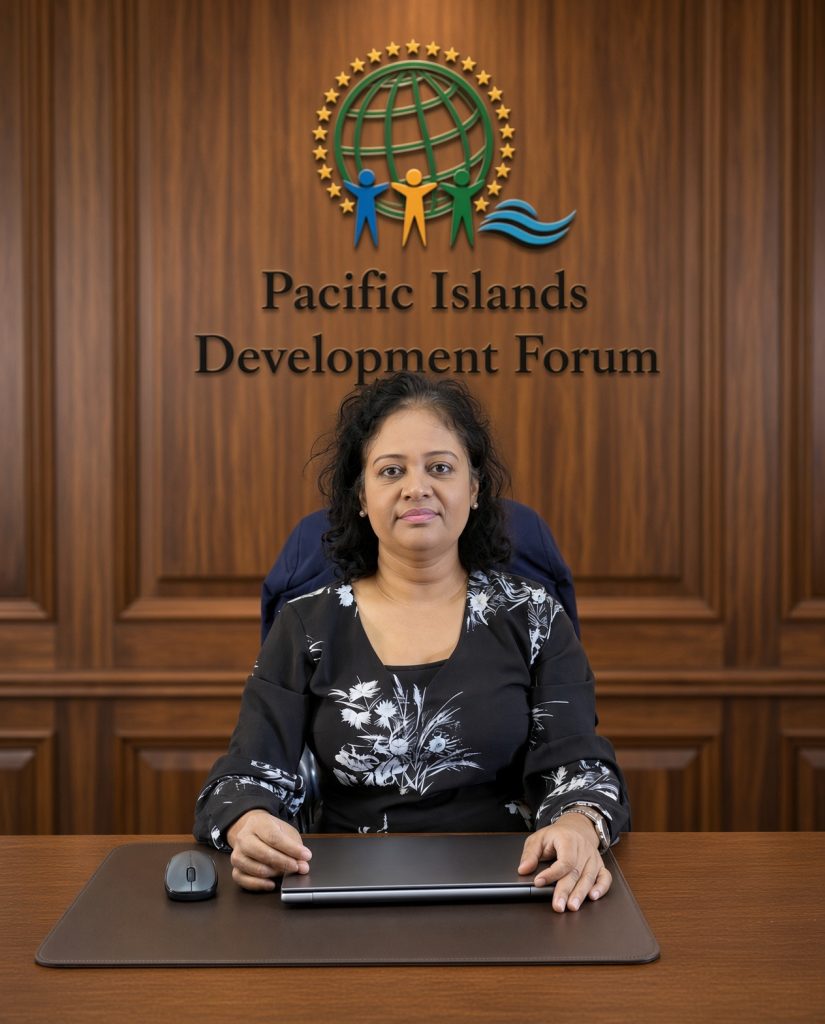
𝐍𝐨 𝐖𝐨𝐦𝐚𝐧 𝐒𝐡𝐨𝐮𝐥𝐝 𝐅𝐢𝐠𝐡𝐭 𝐁𝐫𝐞𝐚𝐬𝐭 𝐂𝐚𝐧𝐜𝐞𝐫 𝐀𝐥𝐨𝐧𝐞
October 16, 2026 – The Pacific Islands Development Forum (PIDF), Secretary General Ms Arpana Pratap is urging every woman to place her health first, as early detection and timely intervention are the most powerful tools in the fight against breast cancer.
As we mark Pinktober, the PIDF also stands in solidarity with women, survivors and families who have fought the fight and stood by their loved ones when battling this disease.
With this year’s Pinktober theme: Turning Awareness into Action, I encourage every woman, family, workplace, and community to move beyond conversation and take meaningful action by promoting regular screenings, seeking medical advice when needed, and standing in solidarity with those battling breast cancer.
Our Fijian community is full of love, compassion and unity that can provide our women the support, strength, encouragement and hope that they all need when battling with breast cancer. This is something that I wish to convey in this Pinktober message: to show our support to our women who are fighting one of their toughest battles with breast cancer.
Whether it is through emotional support, assisting in daily activities at home, creating awareness, providing a supportive workplace, help in fundraising or simply accompanying them during their visit to the hospital – it matters to them.
I encourage our Fijian people to show that love, compassion and community spirit that we are known for. Let us stand with the women in our families, workplaces, and communities who are affected by breast cancer, offering them strength, encouragement, and hope.
As the news reported, the Fiji Cancer Society has registered 217 new breast cancer cases this year, so I encourage our women to present themselves early to the hospital for medical checkups because breast cancer found in its earliest stages is often easier to treat and less likely to have spread beyond the breast.
May this Pinktober inspire us all to turn breast cancer awareness into action and support that creates lasting impacts to our women and communities.
Vinaka Vakalevu
Ms Arpana Pratap
Secretary General, Pacific Islands Development Forum.
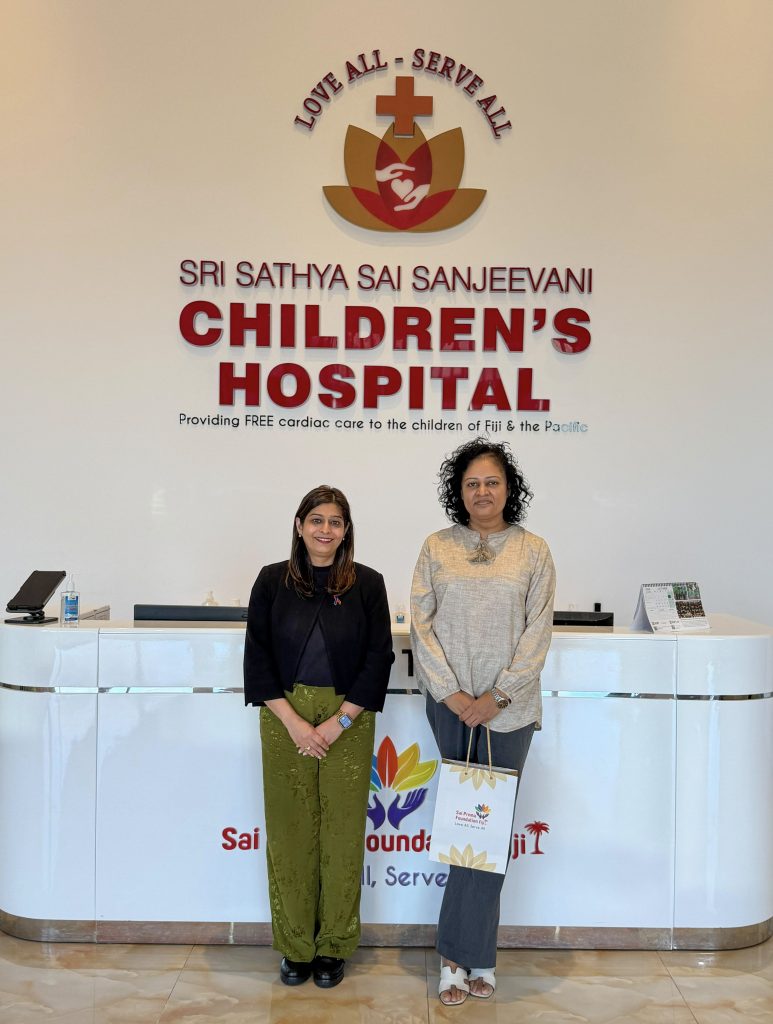
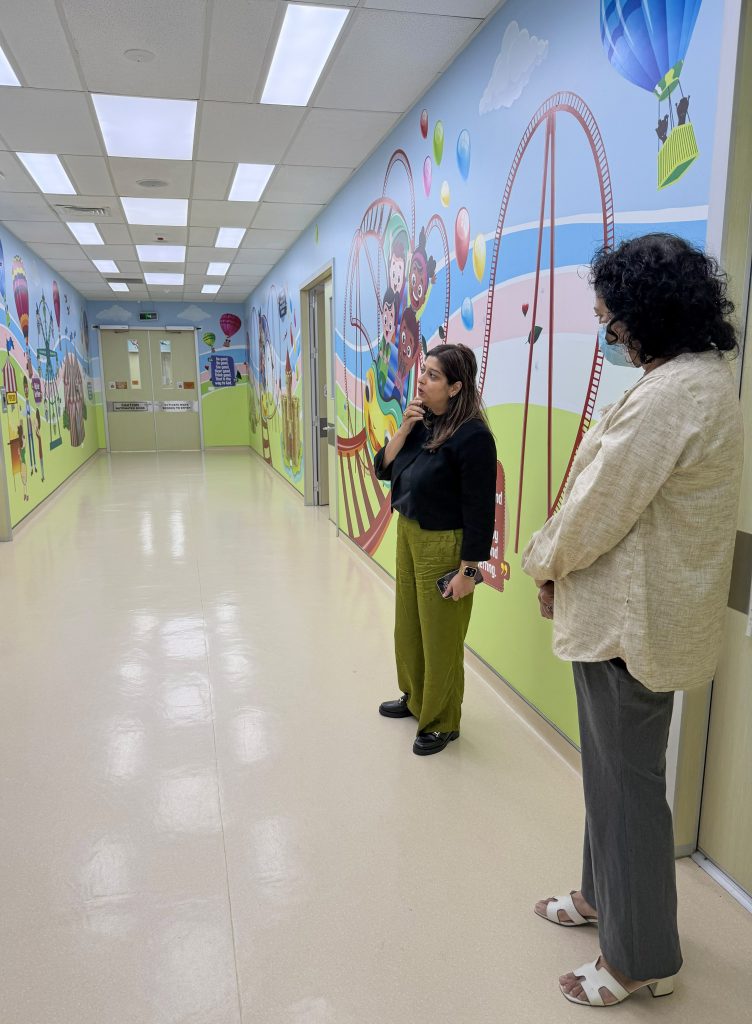
𝗣𝗜𝗗𝗙 𝗖𝗼𝗺𝗺𝗲𝗻𝗱𝘀 𝗟𝗶𝗳𝗲𝘀𝗮𝘃𝗶𝗻𝗴 𝗪𝗼𝗿𝗸 𝗼𝗳 𝗦𝗿𝗶 𝗦𝗮𝘁𝗵𝘆𝗮 𝗦𝗮𝗶 𝗦𝗮𝗻𝗷𝗲𝗲𝘃𝗮𝗻𝗶 𝗛𝗼𝘀𝗽𝗶𝘁𝗮𝗹
October 16, 2026 – Recognizing that healthy communities are fundamental to sustainable development, the Pacific Islands Development Forum (PIDF) engaged with Sri Sathya Sai Sanjeevani Hospital to discuss a shared vision for improving healthcare access and wellbeing across Pacific Island Countries.
During the courtesy visit, the PIDF Secretary General, Ms Arpana Pratap, was briefed by Dr Krupali Tappoo, Director and Chief Executive Officer of Sri Sathya Sai Sanjeevani Hospital, on the hospital’s operations and far-reaching impact.
Ms Pratap expressed admiration for the hospital’s commitment to providing world-class cardiac care to children across Fiji and the Pacific, completely free of charge.
“It was really heartening to see the generous work of Sri Sathya Sai Sanjeevani Hospital and the level of medical care they provide to the most important member of our society – our children,” Ms Pratap said.
With no billing counter at Sri Sathya Sai Sanjeevani Hospital, families are not charged a single cent for any specialist consultation, surgery or any lifesaving cardiac procedures that the hospital provides.
Based on the principles of ‘Love All – Serve All’, Sri Sathya Sai Sanjeevani Hospital has become a leading provider of free cardiac care for children and families across the Pacific.
As of August 8, 2026, Sri Sathya Sai Sanjeevani Hospital has provided 470 free life -saving heart surgeries, 55, 433 free echocardiograms for children and 83,882 free general medical consultations.
“The work of Sri Sathya Sai Sanjeevani Hospital is a powerful reminder that quality healthcare should be accessible to all.
“By providing free medical services, the hospital is transforming lives, bringing hope to families, and strengthening the health and wellbeing of communities across Fiji and the Pacific,” Ms Pratap said.
Sri Sathya Sai Sanjeevani Hospital officially opened in April 2022 under the vision and leadership of Sri Madhusudan Sai, the globally renowned humanitarian and founder of the Sai Prema Foundation.
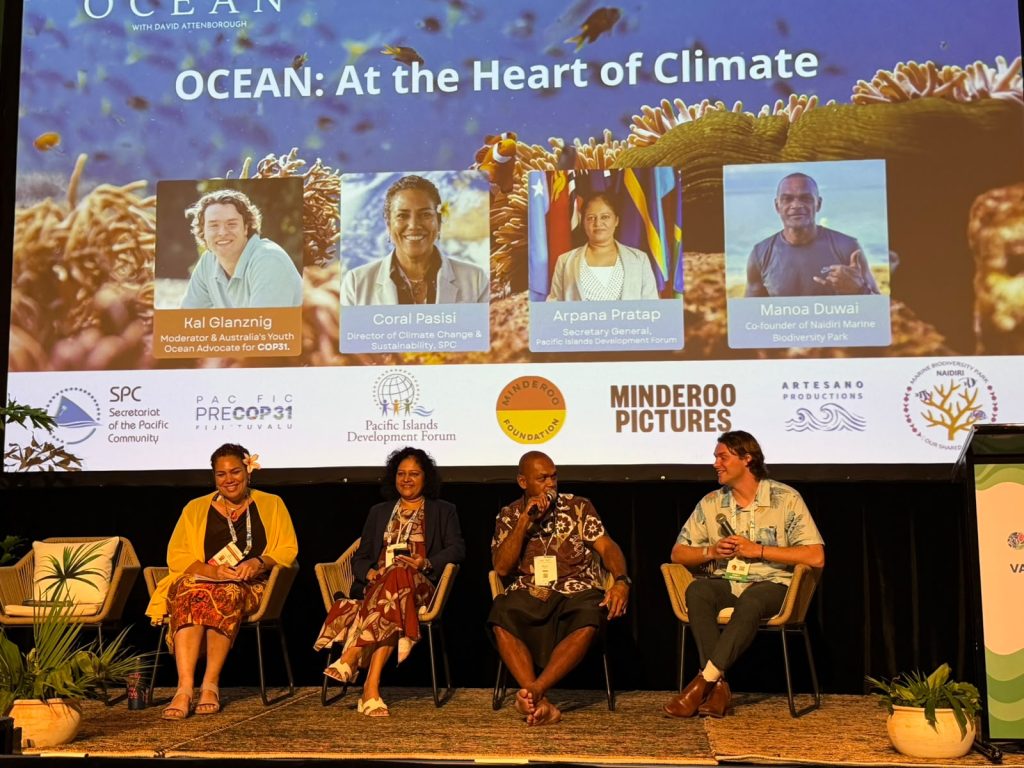
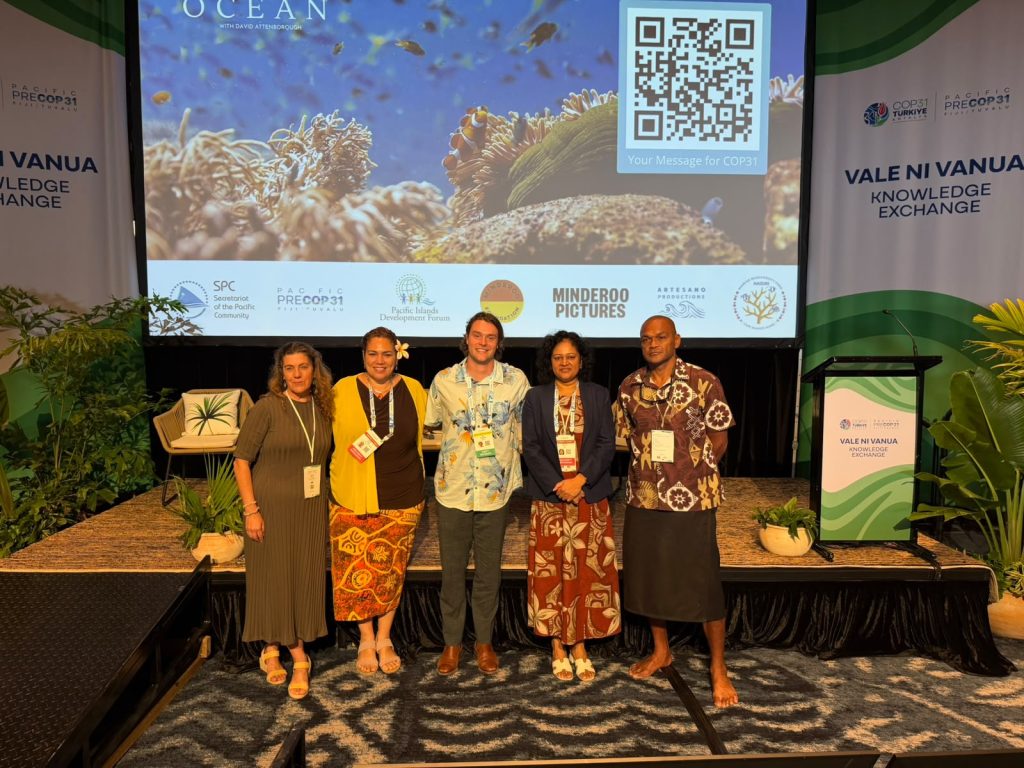
𝗢𝗰𝗲𝗮𝗻: 𝗔𝘁 𝘁𝗵𝗲 𝗛𝗲𝗮𝗿𝘁 𝗼𝗳 𝗖𝗹𝗶𝗺𝗮𝘁𝗲
October 8, 2026 – The Pacific Islands Development Forum (PIDF) was proud to host a pre-COP side event ‘𝘖𝘤𝘦𝘢𝘯: 𝘈𝘵 𝘵𝘩𝘦 𝘏𝘦𝘢𝘳𝘵 𝘰𝘧 𝘊𝘭𝘪𝘮𝘢𝘵𝘦’ focused on the ocean-climate nexus, bringing together experts and advocates to discuss the critical role of our oceans in addressing climate change.

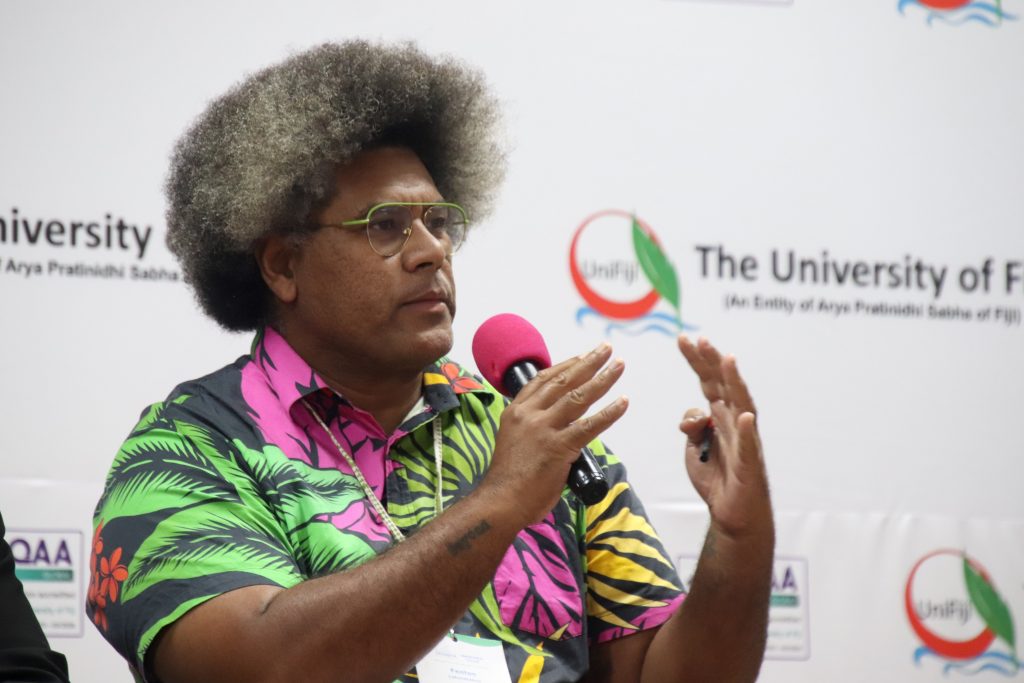
𝗢𝗖𝗘𝗔𝗡-𝗖𝗟𝗜𝗠𝗔𝗧𝗘 𝗡𝗘𝗫𝗨𝗦 𝗦𝘁𝗼𝗿𝘆𝘁𝗲𝗹𝗹𝗶𝗻𝗴: 𝗣𝗿𝗲-𝗖𝗢𝗣 𝗖𝗼𝗺𝗺𝘂𝗻𝗶𝘁𝘆 𝗘𝘃𝗲𝗻𝘁
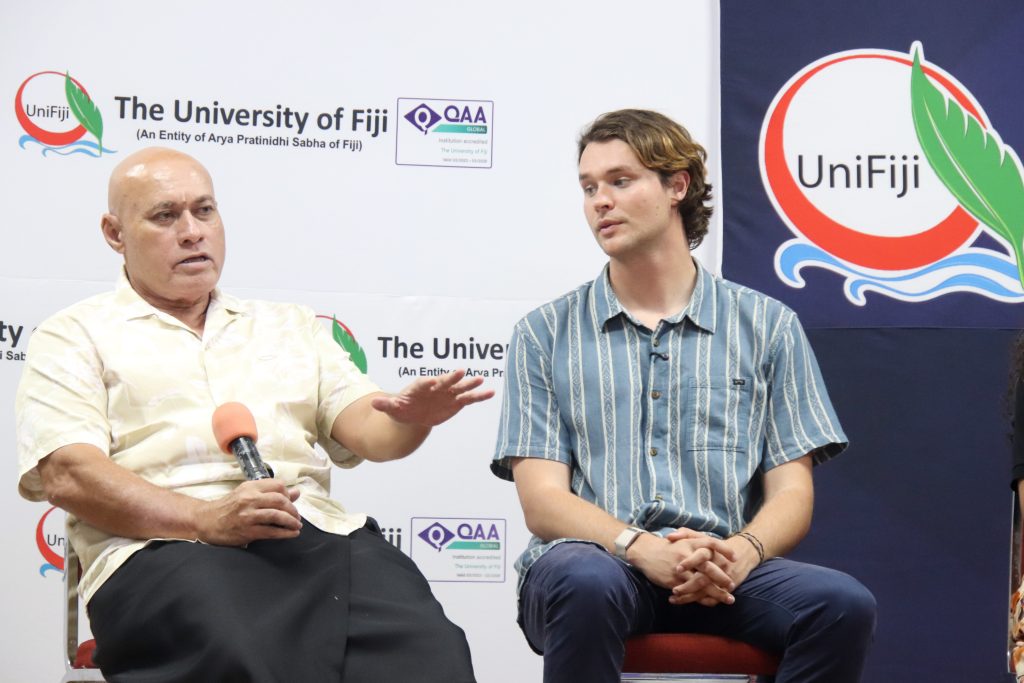
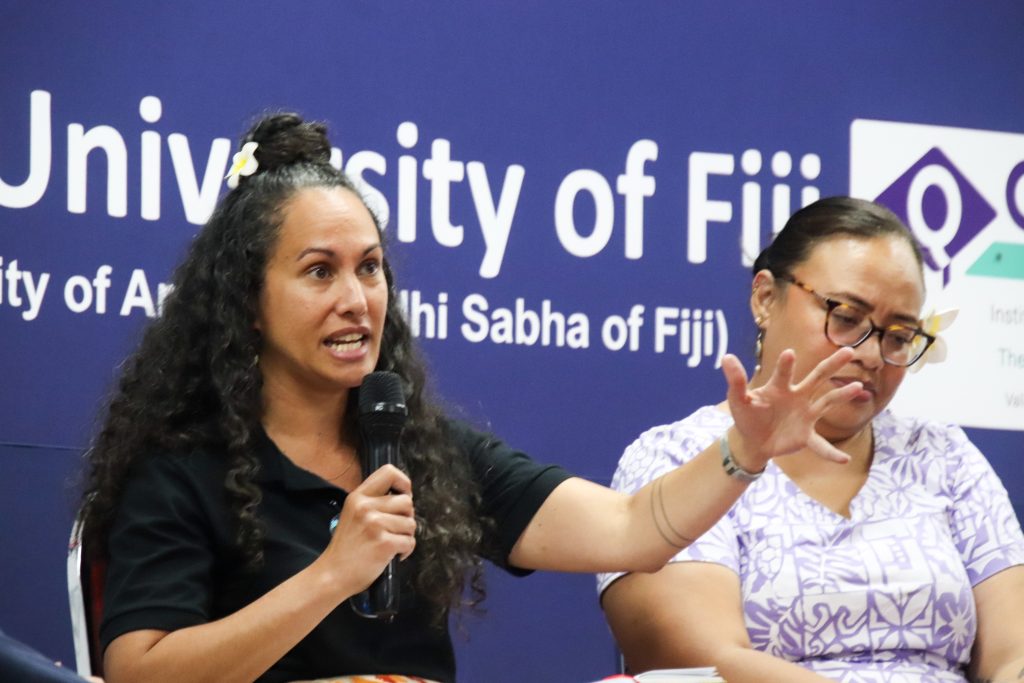
October 6, 2026 – Inspiring conversations on the vital connection between our oceans and climate action were shared during the OCEAN-CLIMATE NEXUS Storytelling: Pre-COP Community Event that was held at the University of Fiji’s Saweni Campus in Lautoka.
- Mr Seve Paeniu – Consultant-Head of Corporate Services, University of Fiji
- Mr Fenton Lutunatabua – Regional Director, 350 Pacific
- Mr Kal Glanznig – Australia’s Youth Ocean Advocate for COP31
- Ms Kesaya Baba – Senior Manager, COP31 Strategy and Partnerships, WWF-Australia
- Ms Anne Mary Raduva – SODEPLA Political Candidate, Climate Activist.
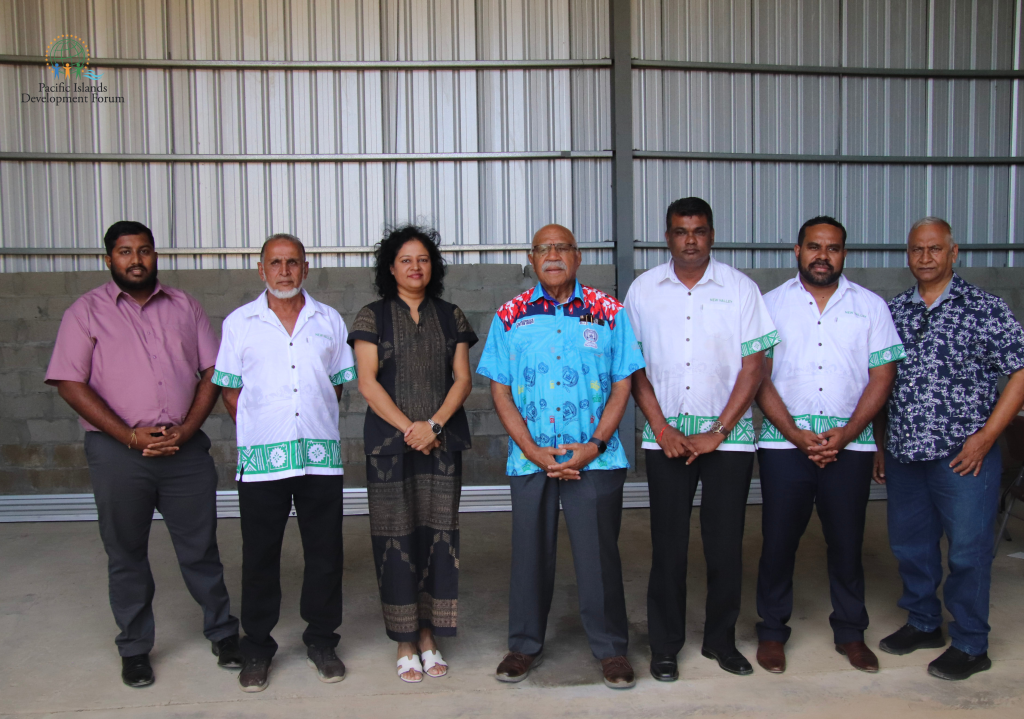
𝗣𝗿𝗶𝗺𝗲 𝗠𝗶𝗻𝗶𝘀𝘁𝗲𝗿 𝗖𝗼𝗺𝗺𝗲𝗻𝗱𝘀 𝗘𝗳𝗳𝗼𝗿𝘁𝘀 𝘁𝗼 𝗦𝘁𝗿𝗲𝗻𝗴𝘁𝗵𝗲𝗻 𝗙𝗮𝗿𝗺𝗲𝗿 𝗟𝗶𝘃𝗲𝗹𝗶𝗵𝗼𝗼𝗱𝘀 & 𝗥𝗲𝗴𝗶𝗼𝗻𝗮𝗹 𝗧𝗿𝗮𝗱𝗲
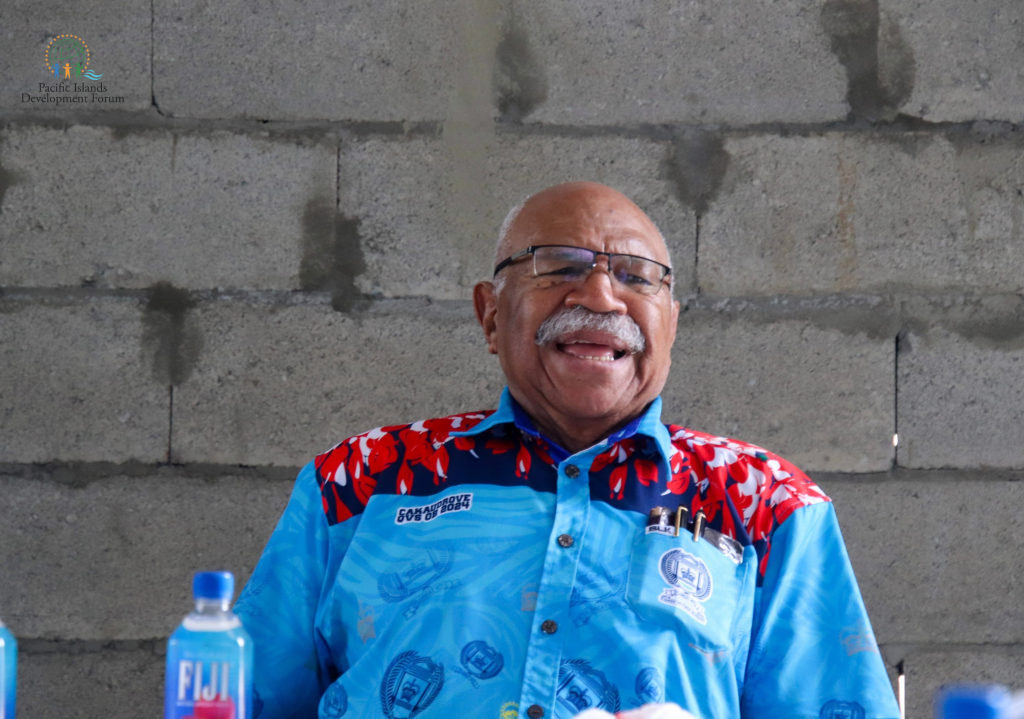
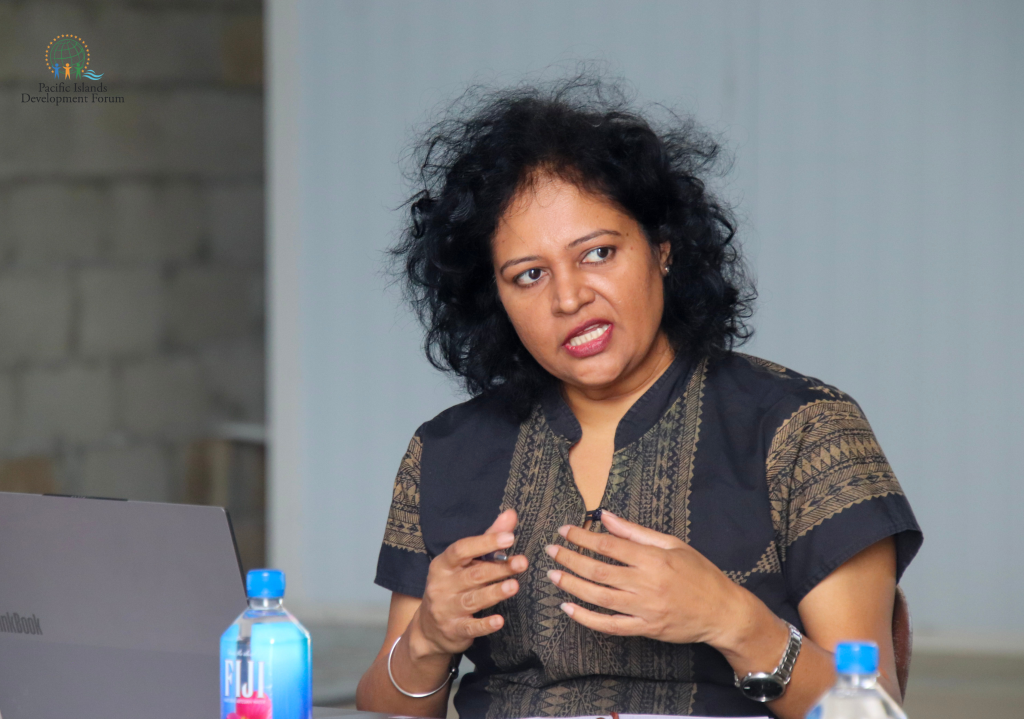
September 12, 2026 – The Prime Minister of Fiji, Honorable Sitiveni Rabuka, commended the Pacific Islands Development Forum (PIDF) and New Valley Processors (Fiji) Pte Ltd (NVPL) for their strategic partnership and steadfast commitment to delivering initiatives that strengthen farmers’ livelihoods, create sustainable economic opportunities, and drive Fiji’s economic growth.
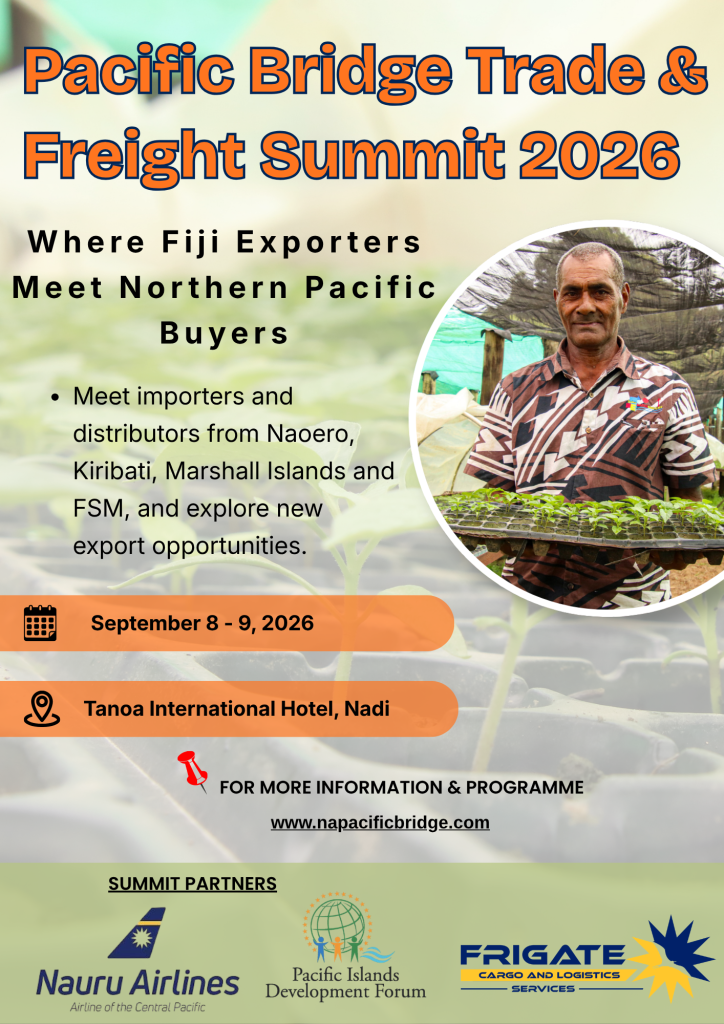
Pacific Bridge Trade & Freight Summit 2026
September 8 – 9, 2026 – As the first summit of its kind, the Pacific Bridge Trade & Freight Summit 2026, will bring together Fiji exporters, regional buyers, freight and logistics providers, and a team from Nauru Airlines to explore new trade opportunities and strengthen commercial links between Fiji and Northern Pacific markets, including Nauru, Kiribati, the Marshall Islands, and the Federated States of Micronesia.
The Pacific Bridge Trade & Freight Summit 2026 is organized by Nauru Airlines in partnership with the PIDF and Frigate Cargo & Logistics Services.
The two day summit was held from September 8 – 9, 2026 at the Tanoa International Hotel in Nadi, Fiji.
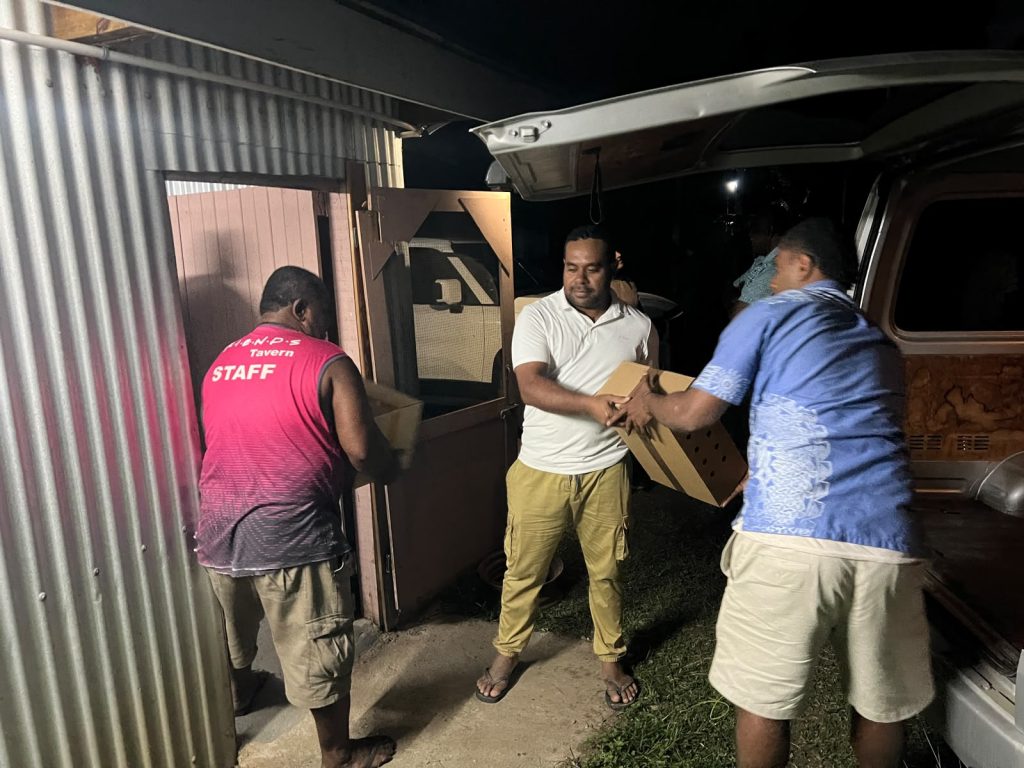
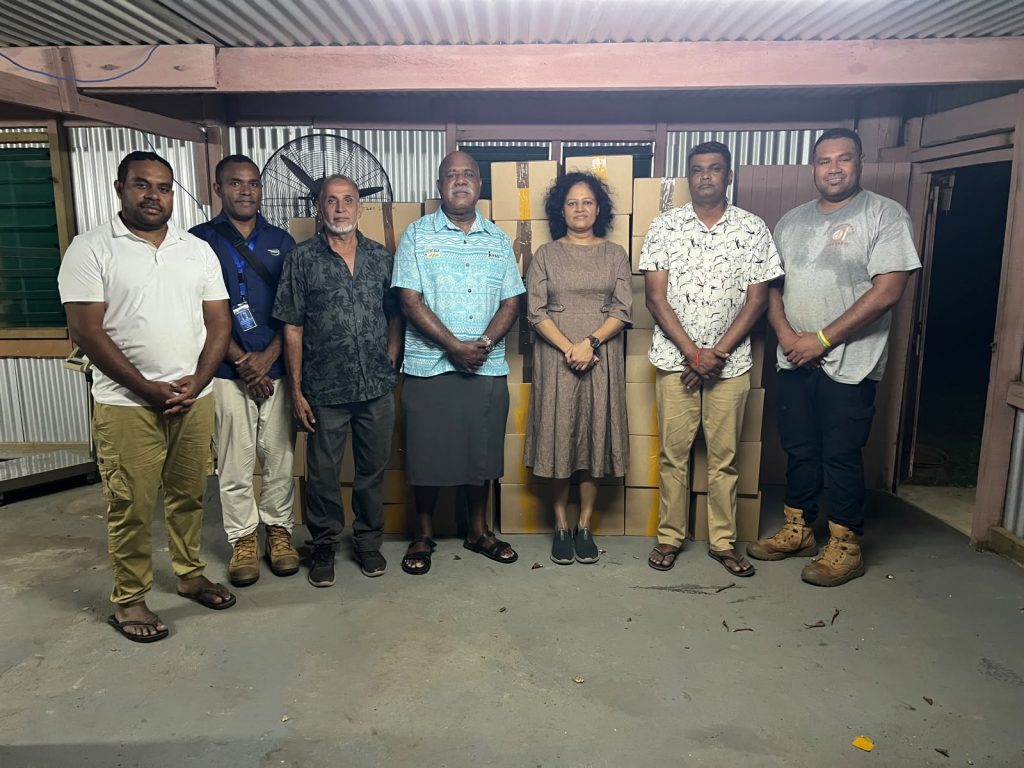
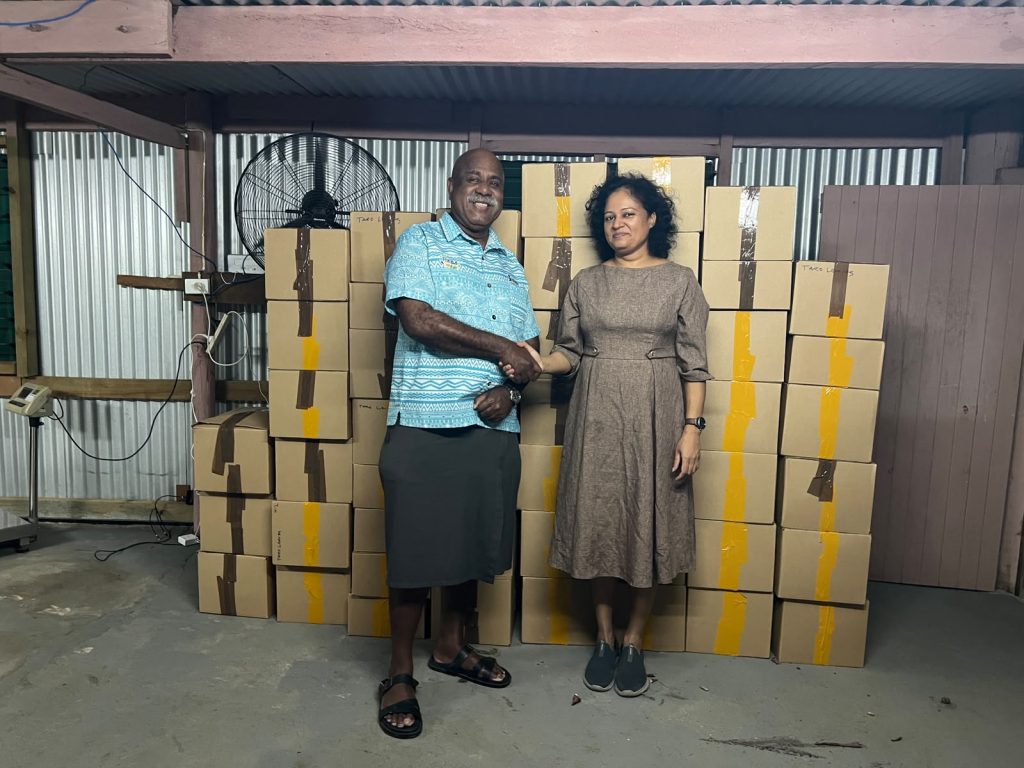
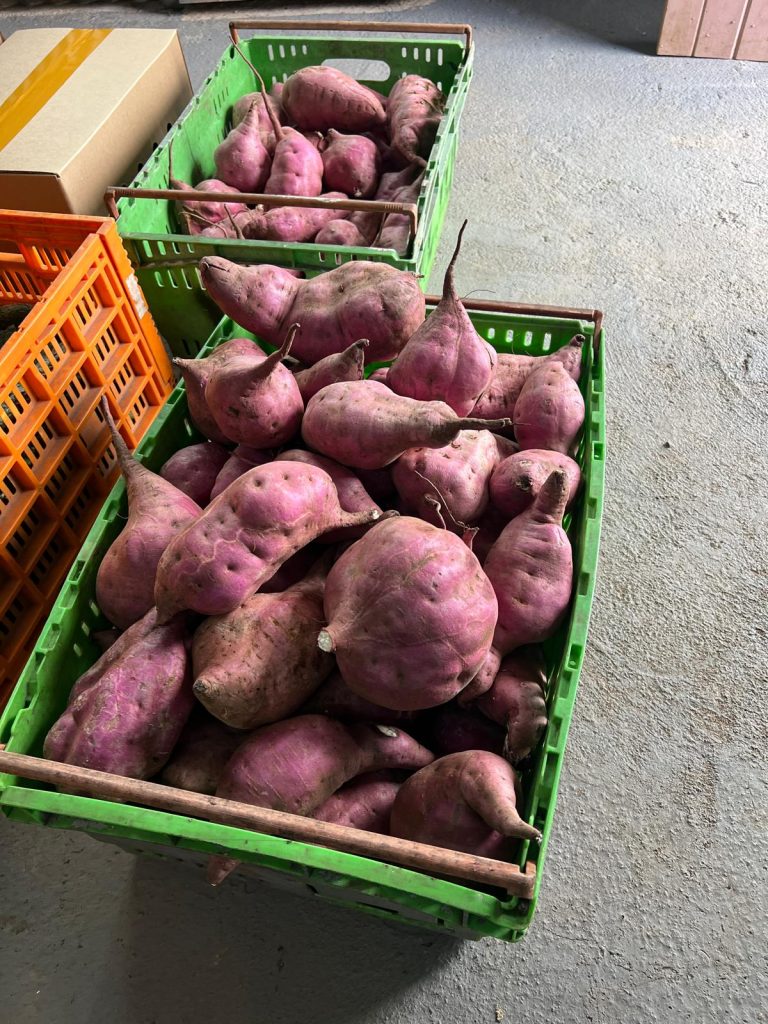
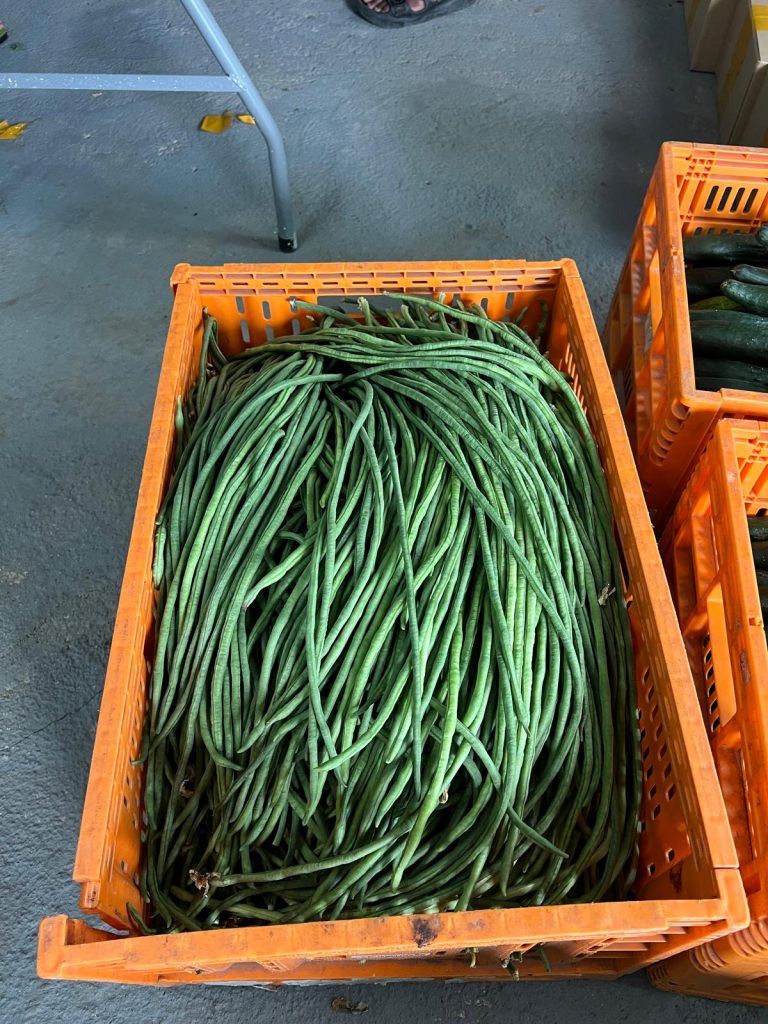
Second Consignment of Fijian Produce Exported to Naoero
August 25, 2026 – Fijian farmers are helping to meet the growing demand for fresh agricultural produce in the Republic of Naoero, after the second pilot consignment of export-quality produce departed Nadi Airport.
The Pacific Islands Development Forum (PIDF) Secretary General, Ms. Arpana Pratap, said it was important to maintain a consistent supply of fresh produce to Naoero.
She said the swift preparation of a second consignment demonstrated both the demand for fresh produce in the Northern Pacific and Fiji’s ability to meet that demand
“It is encouraging to see that we are able to send the second consignment within a week,” Ms Pratap said.
“This demonstrates the strong demand for fresh agricultural produce in the Northern Pacific and highlights Fiji’s potential to serve this market through its fertile land and productive farming sector.”
Assistant Minister for the Office of the Prime Minister, Hon. Sakiusa Tubuna was also on site to witness the work being done to prepare the second consignment.
Ms Pratap said it was also encouraging to see the Hon. Tubuna at the processing site in Nadi to witness the preparations for the consignment.
“The presence of Hon. Tubuna at the processing facility is a positive indication that we are on the right track as he has been very supportive towards the PIDF and this Pacific Fresh AirLink (PFAL) initiative.
“This PFAL initiative not only strengthens food security for families but also supports our local farmers by providing a market to sell their produce.
“Through this collaboration with New Valley Processors (Fiji) Limited (NVPL), we are delivering quality agricultural produce to Naoero while supporting Fiji’s economic development
NVPL Chairman, Vinesh Rai said maintaining a reliable and consistent supply of agriculture produce is critical for the company as it continues to grow its food processing operations in Sabeto, Nadi.
“We value our partnership with the PIDF and look forward to strengthening this collaboration as it continues to create opportunities for the export of Fijian agricultural produce to markets across the Pacific,” Mr Rai said.
“We recognize that some Pacific Island countries face challenges in agricultural production due to limited fertile land. Through this initiative with the PIDF, we can support these communities by providing access to fresh, nutritious produce while creating new market opportunities for Fijian farmers and exporters.
“Our farmers have remained committed and consistent in supplying quality produce, which has been crucial in meeting the requirements for this second consignment,” Mr Rai said.
A Biosecurity Authority of Fiji official was also on site to conduct the necessary inspections before the loading of the consignment onto the Nauru Airlines flight.
About the project
The supply of agriculture produce to the Republic of Naoero was made possible through a Memorandum of Understanding (MoU) partnership between the Pacific Islands Development Forum (PIDF) and New Valley Processors (Fiji) Limited (NVPL), which was signed on July 22, 2026. Since the MoU signing, both organizations have worked closely to coordinate and mobilise agriculture produce from Fiji for exporting to Naoero.
The exporting of agriculture produce from Nadi, Fiji to countries in the Northern Pacific such as the Republic of Naoero, is part of the Pacific Fresh AirLink (PFAL) initiative under the Food and Nutrition Security project that is coordinated by the PIDF.
The PFAL initiative was setup to support the export of fresh agricultural produce from Fijian farmers to regional markets, creating new economic opportunities for local producers while improving access to fresh and nutritious food in Pacific communities.
END
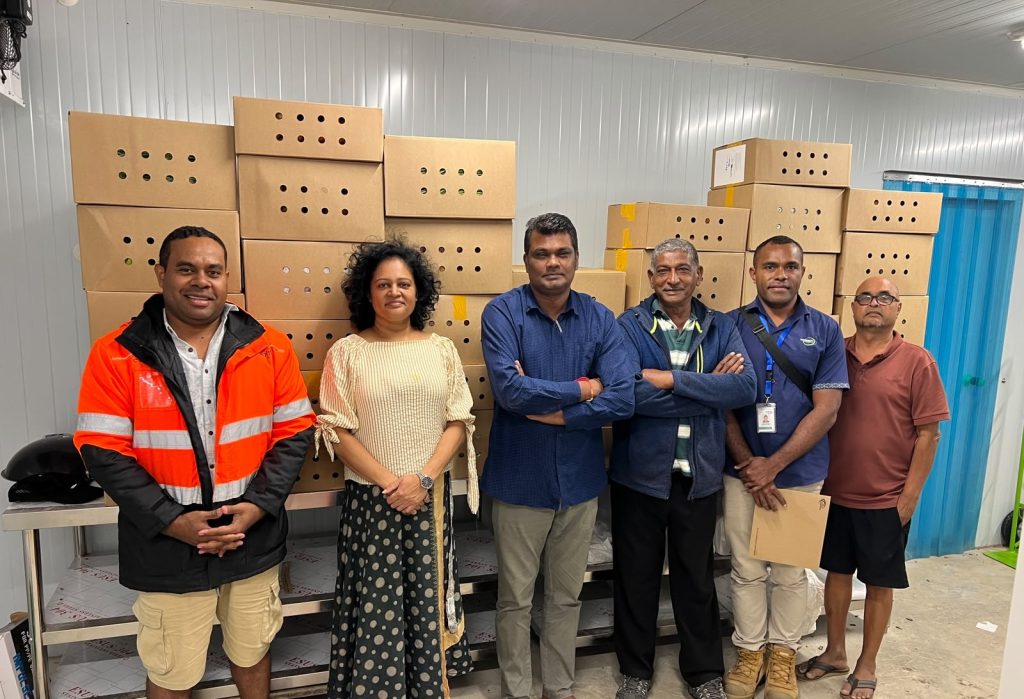
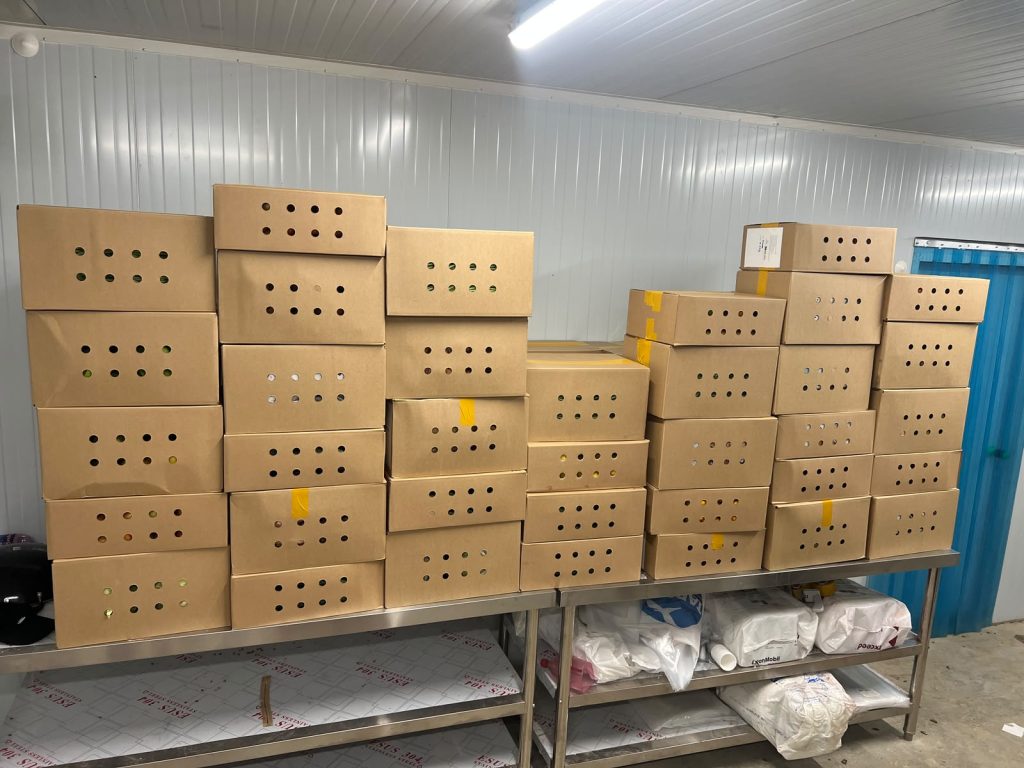
54 Boxes of Fijian Grown Produce Exported to Naoero
August 19, 2026 – A major milestone was achieved as the first pilot consignment of Fijian grown agricultural produce was exported to the Republic of Naoero under the Memorandum of Understanding (MoU) partnership between the Pacific Islands Development Forum (PIDF) and New Valley Processors (Fiji) Limited (NVPL), which was signed on July 23, 2026.
The first pilot consignment comprised of 54 boxes of export-quality fruits, vegetables and root crops grown and harvested by Fijian farmers across Viti Levu.
The produce included eggplants, long beans, telegraph cucumbers, English cabbage, cassava, watermelons, pineapples, tomatoes, taro leaves, taro, papayas, bananas, kumquats and lemons.
The PIDF Secretary General, Ms. Arpana Pratap, was pleased with the quality of the produce and thanked New Valley for coordinating with the farmers to meet the first pilot consignment.
“The export of Fijian grown agriculture produce to the Pacific neighbors, such as the Republic of Naoero, demonstrates that Fiji’s agriculture sector has the potential to expand beyond the local market,” Ms Pratap said.
“Fiji has fertile land, favorable climatic conditions and hardworking farmers that can till the land, grow vegetables and crops that has a demand in the Northern Pacific market.
“While we encountered some challenges in preparing this first pilot consignment, we successfully worked through them. This achievement would not have been possible without the support of our project partners, including NVPL, Nauru Airlines and the dedicated farmers.
The exporting of agriculture produce from Nadi, Fiji to countries in the Northern Pacific such as the Republic of Naoero, is part of the Pacific Fresh AirLink (PFAL) initiative under the Food and Nutrition Security project that is coordinated by the PIDF.
The PFAL initiative was setup to support the export of fresh agricultural produce from Fijian farmers to regional markets, creating new economic opportunities for local producers while improving access to fresh and nutritious food in Pacific communities.
NVPL Chief Executive Officer, Navitalai Tuivuniwai said they visited the farmers across Viti Levu to ensure that the quality and quantity were met with the export market.
“This first pilot consignment involved a lot of planning, discussions and meeting the farmers as well to ensure that we are able to meet the deadline for the flight,” Mr Tuivuniwai said.
“I am pleased that we were able to do so and we will continue to work with the PIDF to export more to the Northern Pacific because at the end of the day, our goal is to support and improve the economic livelihood of our farmers.”
“At New Valley, we supply seedlings to our cluster of farmers, which helps to scale the commercial production and processing of high-value crops and creating market opportunities for our growers.”
A Biosecurity Authority of Fiji official was also on site to conduct the necessary inspections before the loading of the consignment onto the Nauru Airlines flight that departed Nadi Airport last night and has since arrived in Naoero.
END
Pacific Islands Development Forum Talanoa Builds Momentum
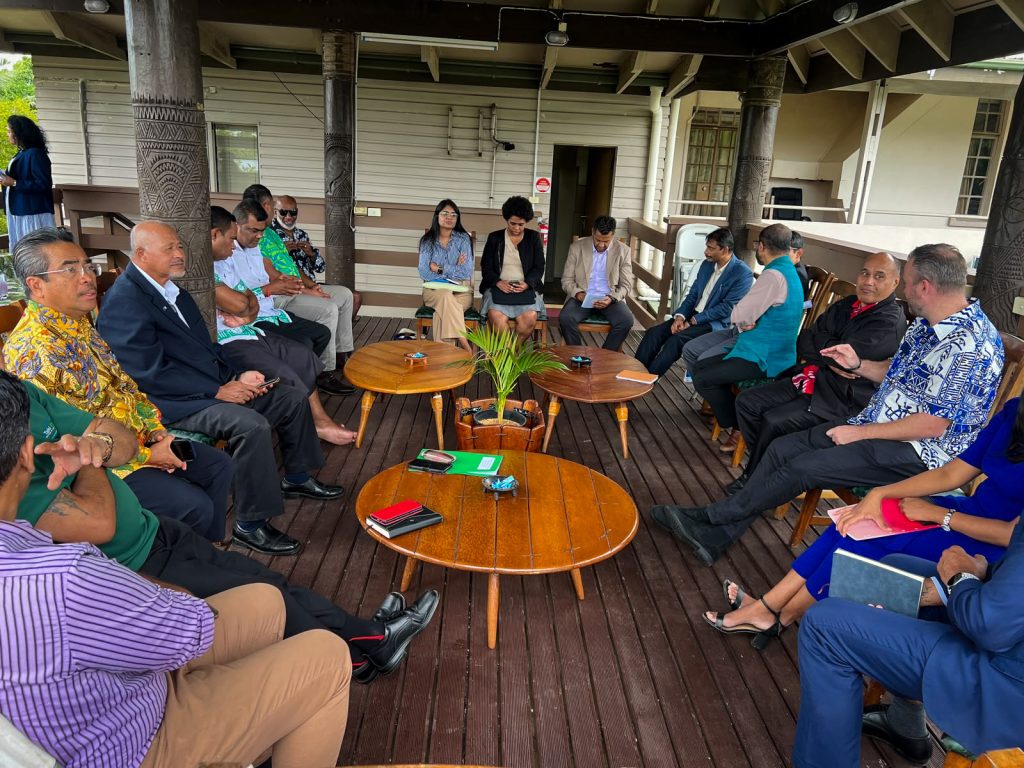
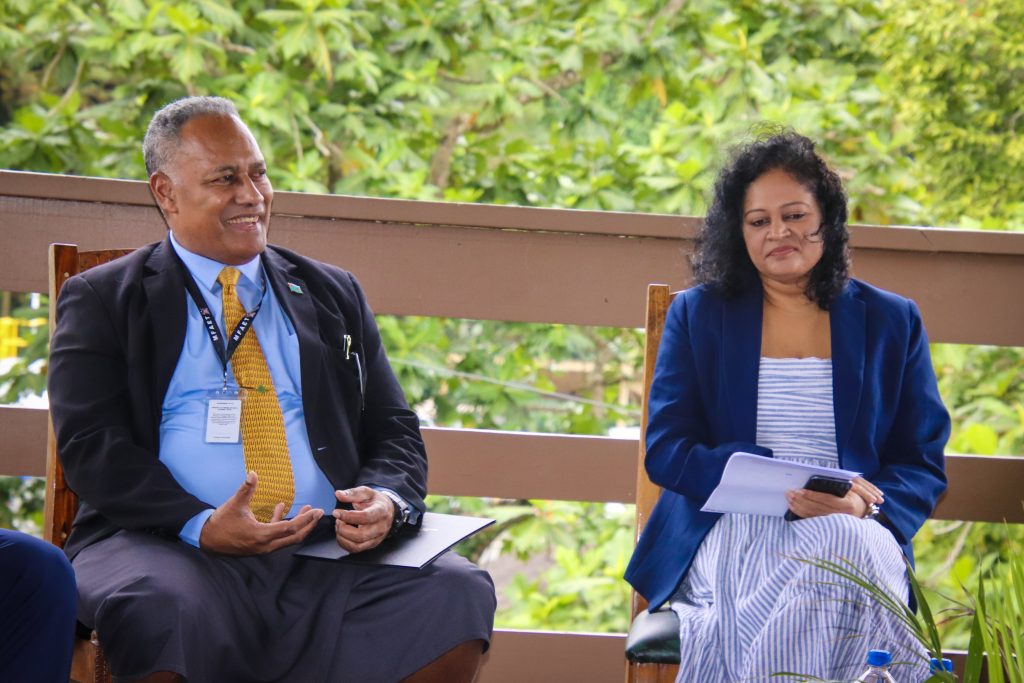
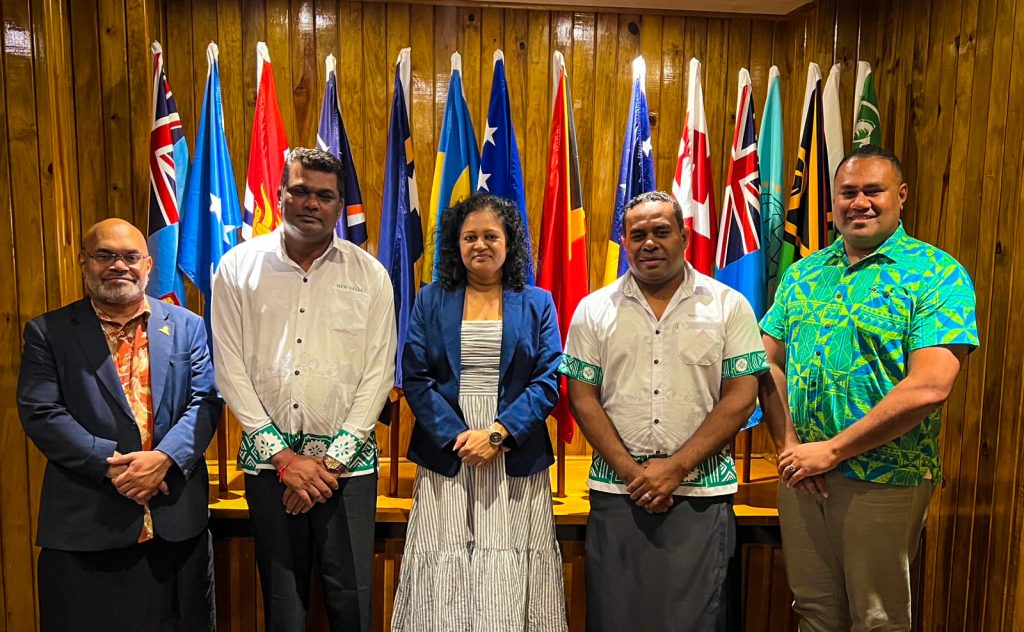
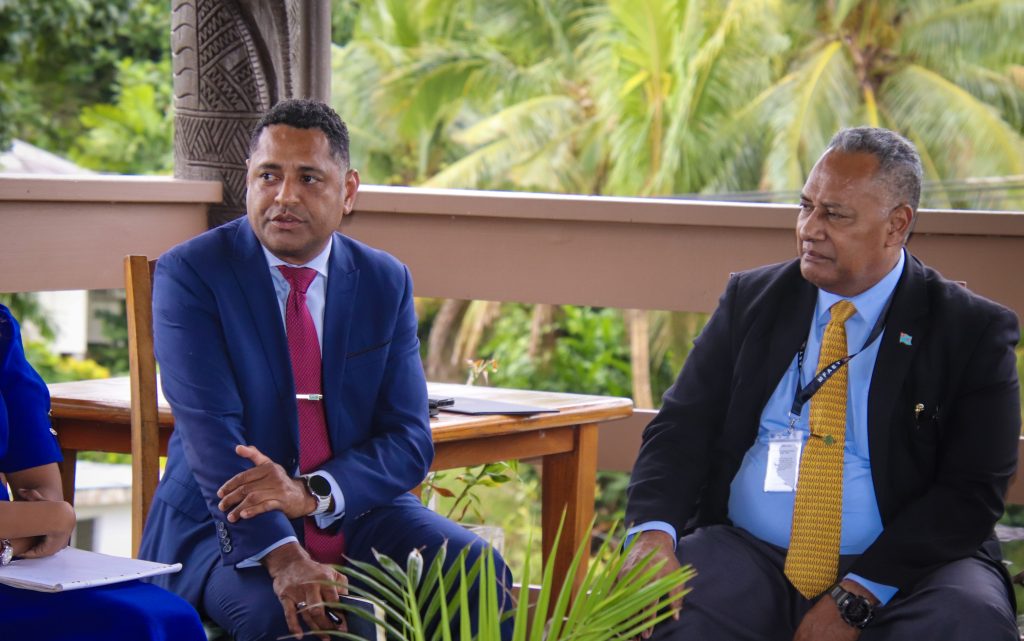
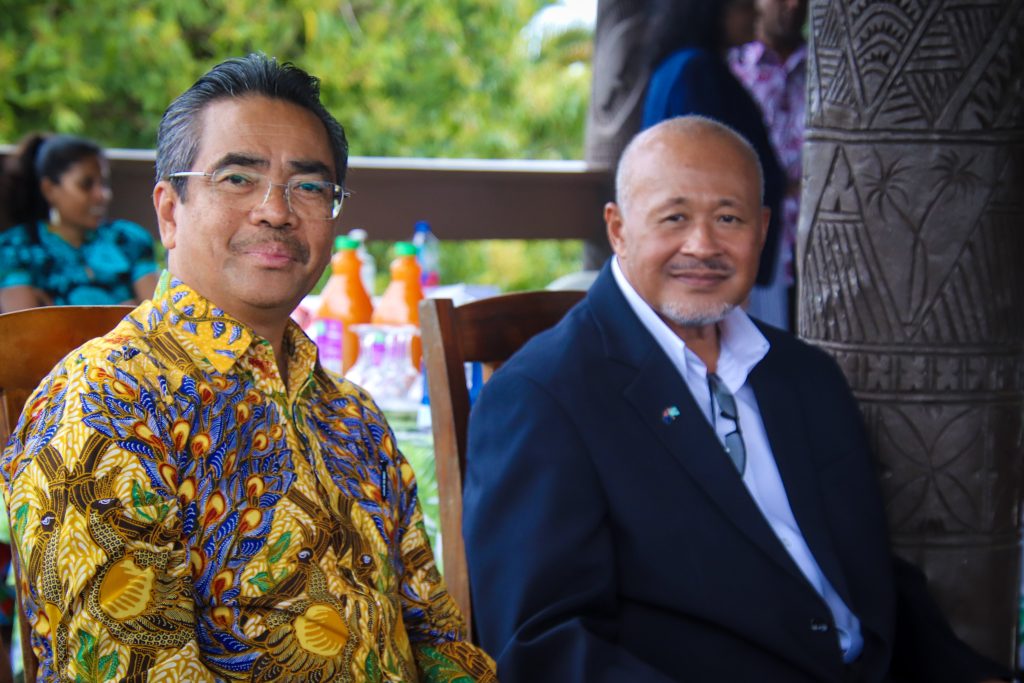
August 7, 2026 – Senior Government officials, institutional leaders, project partners, stakeholders, and heads of the Pacific Islands Development Forum (PIDF) Member Countries gathered in a special Talanoa session hosted by the PIDF.
The PIDF’s Pacific Fresh AirLink (PFAL) Initiative seeks to promote trade, strengthen food security, and enhance socio-economic resilience across the North Pacific through improved air connectivity for fresh produce.
Following the historic signing of the Memorandum of Understanding (MOU) between the PIDF and New Valley Processors (Fiji) Pte Limited, this milestone event further advanced collaborative efforts towards the growth of the PFAL Initiative.
The gathering provided a valuable platform for leaders and stakeholders to connect, exchange experiences, engage in forward-looking discussions, and explore pathways to strengthen and sustainably expand the PFAL Initiative, reinforcing collective efforts to enhance regional food security and resilience across the Pacific
Among the distinguished guests who joined the Talanoa session was the Honourable Sakiasi Ditoka, Fiji’s Minister for Foreign Affairs and External Trade.
The Minister acknowledged the valuable work of the PIDF and expressed strong support for the PFAL project, highlighting its potential to play a significant role in advancing food security and resilience across Fiji and the wider Pacific region.
The Talanoa session was designed to surface practical commitments — the bilateral relations, routes and financing that will let PFAL grow into a wider Pacific initiative.
The strong participation and active contributions from attendees demonstrated a clear commitment to advancing the objectives and work of PFAL.
Throughout the Talanoa session, stakeholders openly shared the challenges faced in the areas of trade, export market, market access, supply chain etc. These challenges demonstrated to the PIDF that there is a strong need for coordinated action, strengthened partnerships, and innovative solutions to serve the wider Pacific community.
Following the Talanoa session, the PIDF is confident in the support and show of commitment from stakeholders, project partners and the Governments of the PIDF Member Countries for their support towards the PFAL project.
The PIDF extends its sincere appreciation to all the senior government officials, representatives of Member countries, institutional leaders, project partners, stakeholders, and development partners, that attended the Talanoa session.
The PIDF looks forward to maintaining this momentum and working closely with all partners to transform the ideas and commitments shared during the Talanoa session into meaningful action that benefits Fiji and the Pacific.
END
MOU Signing with New Valley Processors (Fiji) Limited
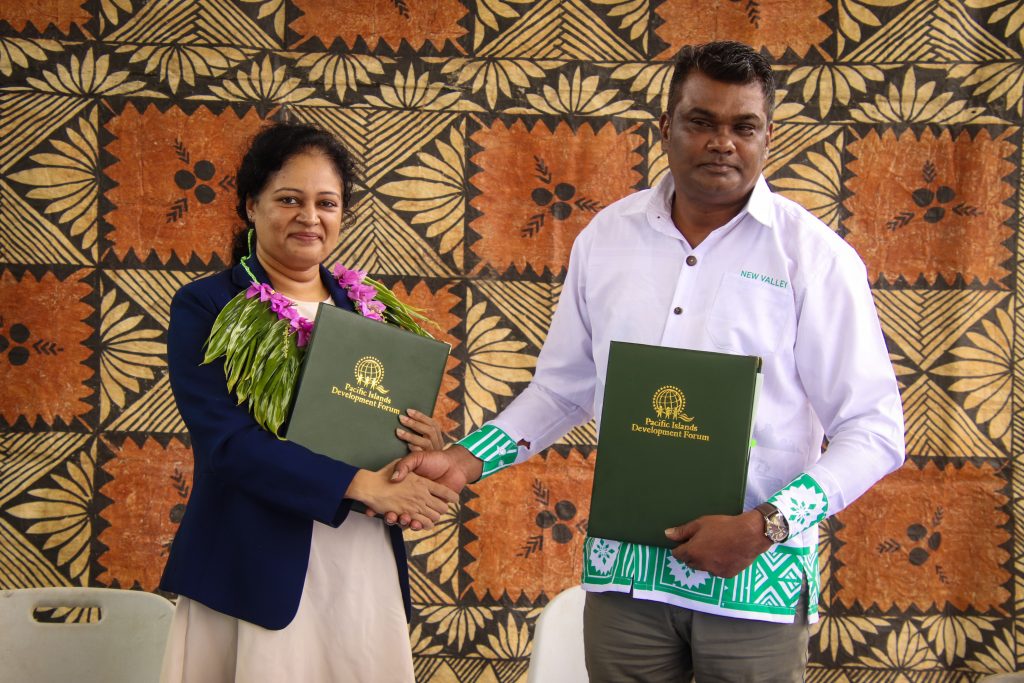
July 22, 2026 – It was a historical moment for more than 10,000 contracted farmers across Sigatoka to Rakiraki, who are now poised to benefit from new export opportunities in the Northern Pacific after the Pacific Islands Development Forum (PIDF) signed a Memorandum of Understanding (MOU) with the New Valley Processors (Fiji) Limited (NVPL).
The partnership with NVPL marks a key step in connecting local farmers to the export market and expanding their economic potential through the Food and Nutrition Security initiative that is headed by the PIDF.
The Food and Nutrition Security initiative echoed the sustainable development goal 2 and 3, which looked at addressing food security, cultivation and production, and access to fresh produce through consistent supply and commitment to uphold zero hunger.
His Excellency, the High Commissioner of Naoero to Fiji, and Chairperson of the Pacific Island Development Forum- High Commissioner, Michael Aroi was the chief guest at the MOU signing ceremony at Sabeto, Nadi.
Mr Aroi shared how beneficial the partnership would be not only to farmers but also families back in Naoero.
“Fiji has rich and fertile land that can grow vegetables and crops that can be exported to the Northern Pacific such as Naoero where we heavily depend on imported goods,” Mr Aroi said.
“Through this partnership, families in Naoero would be able to consume fresh agricultural produce from Fiji, contributing towards the fight against NCD and growing a healthier society.”
The PIDF Secretary General Arpana Pratap shared that this partnership with NVPL would encourage local farmers to diversify and improve the quality of their crops and vegetables to meet local and export market.
She said that local farmers have so many untapped potentials but may lack market access.
“This is the area that the PIDF will strengthen and will bridge the gap through this partnership with NVPL by engaging more with these farmers, visiting their farms, as well as sharing resources to support the programs focused on high value crops that will be processed for export markets,” Ms. Pratap said.
“We will also identify and secure buyers in the Northern Pacific markets and negotiate commercial agreements with importers, distributors, wholesalers, and retailers so our local farmers are able to make good economic benefits from exporting their produce.
“Beyond economic gains, this partnership contributes to regional food security by ensuring that fresh and nutritious produce is supplied to Pacific Island countries that often depend heavily on imported foods.”
Under the Food and Nutrition Security initiative, the PIDF has been coordinating the export of agricultural produce from Nadi, Fiji to countries in the Northern Pacific such as the Republic of Naoero and will expand soon to the Republic of Marshall Islands, Federal States of Micronesia and the Republic of Palau, through the Pacific Fresh Airlink project.
The Pacific Fresh Airlink project was setup to support the export of fresh agricultural produce from Fijian farmers to regional markets, creating new economic opportunities for local producers while improving access to fresh and nutritious food in Pacific communities.
A key component of the initiative is its direct support for farmers in Fiji, particularly those in the Tailevu and Ra provinces as this project assists farmers in improving the quality, consistency, and market readiness of their produce through enhanced agricultural practices, post-harvest handling, and supply chain coordination.
These benefits are expected to expand further through the partnership with NVPL, a newly established agriculture – processing and export company based in Sabeto, Nadi.
Chief executive officer Navitalai Tuivuniwai said NVPL currently purchases agricultural produce such as bora (yard long bean), chilies, eggplants, cucumbers, tomatoes, cowpeas, and several high value crops that have the potential to meet the local and export market in the Northern Pacific.
“We see the economic benefits the local farmers will gain through this partnership, as they export their produce to the Northern Pacific market,” Mr Tuivuniwai said.
“New Valley extends our deepest thanks to the PIDF and the Naoero Government for giving our farmers in hard-to-reach places a consistent, sustainable market. We are so grateful for the hard work negotiating this deal. This incredible support from our region ensures our farmers can finally smile, knowing their produce will always have a buyer.
“We have always encouraged our farmers to maintain consistency in the quality of their produce to ensure that it meets the export requirements and are of good quality for consumption.
“We have always relied on trust amongst our farmers to produce quality produce and they have been doing well in this area. Through this partnership, we are excited to have PIDF on board in connecting our local farmers to the Northern Pacific market.”
Through this partnership between the PIDF and NVPL, local farmers can become key contributors to food security, economic growth, and sustainable agricultural development across Fiji and the Pacific.
END
Fiji reaffirms commitment to PIDF
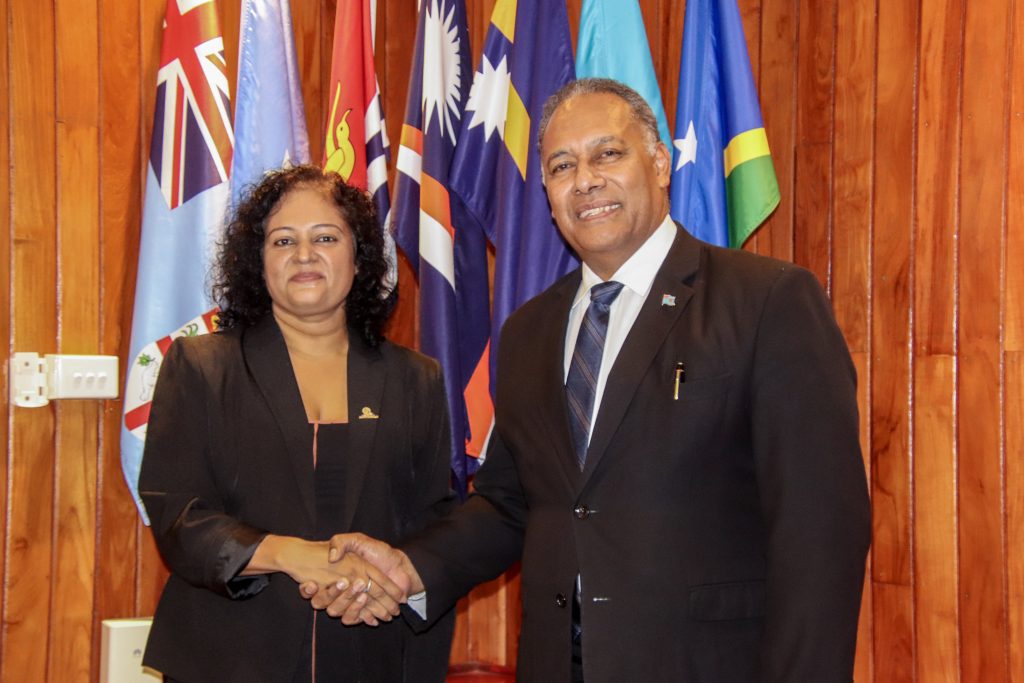
May 21, 2026 – The Minister for Foreign Affairs and External Trade, Honorable Minister Sakiasi Ditoka, paid a courtesy visit to the Pacific Islands Development Forum (PIDF), where he met with the newly appointed Secretary General, Ms. Arpana Pratap.
The visit to the PIDF office at Domain Road reaffirmed Fiji’s commitment and support to the 14-member Pacific-led forum.
During the visit, Hon. Ditoka also met with the PIDF staff and emphasized the importance of regional cooperation in addressing the needs of vulnerable communities across the Pacific.
“We cannot live in isolation; we must work together,” Hon. Ditoka said.
“By coordinating our efforts, we can better serve our communities and build a stronger Pacific region.”
Ms. Pratap thanked the Minister for the visit and expressed her commitment to working closely with Fiji and other PIDF member countries to advance sustainable and inclusive development initiatives across the Pacific.
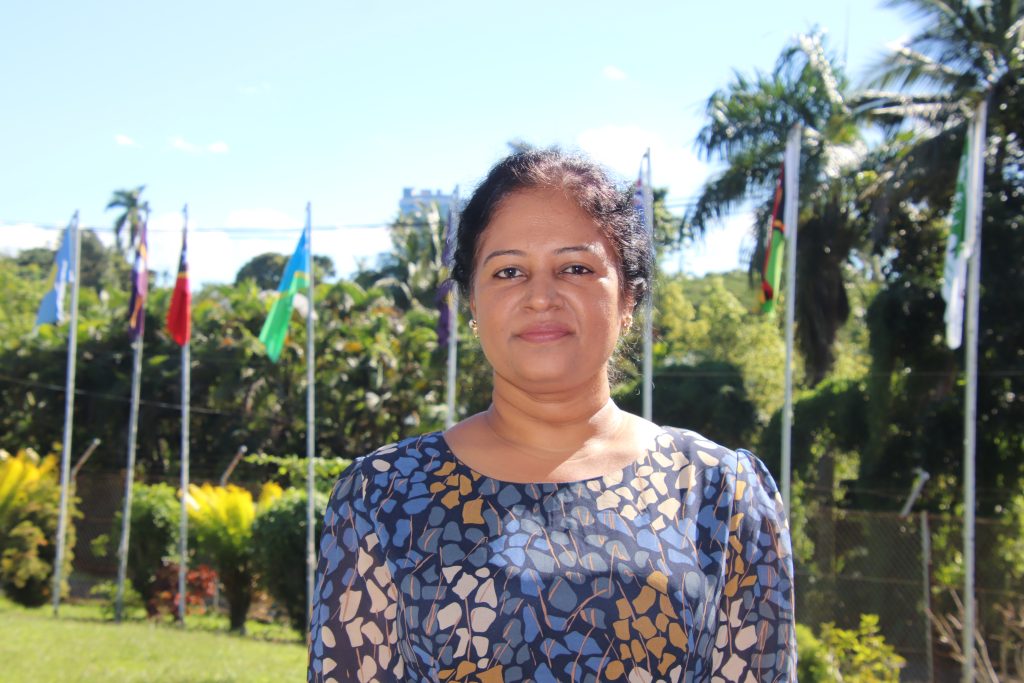
PIDF Enters a New Era Under the Leadership of Secretary General, Ms. Arpana Pratap
May 21, 2026 – With its strong grassroots and people-centred approach, the Pacific Islands Development Forum (PIDF) is entering a transformative new chapter following the appointment of its new Secretary General, Ms. Arpana Pratap.
Prior to her appointment, Ms. Pratap served as Director Blue Economy at the PIDF Secretariat, where she built an impressive track record in strategic leadership, advocacy, stakeholder engagement, capacity building, and monitoring and evaluation. Her work has been underpinned by extensive expertise in marine science and sustainable blue economy development.
Through her leadership of regional blue economy and food and nutrition security initiatives, Ms. Pratap played a pivotal role in developing comprehensive regional and national frameworks designed to promote sustainable ocean-based economic growth while safeguarding the Pacific’s natural capital and marine ecosystems for future generations.
She brings to the role a wealth of experience in advancing resilient and inclusive blue economies, alongside a deep understanding of the priorities, aspirations, and unique development challenges facing Pacific island countries.
As Secretary General, Ms. Pratap is responsible for the overall leadership, management, and administration of the PIDF Secretariat, guiding the organization in delivering effective regional leadership, fostering genuine partnerships, and advancing innovative mechanisms that support member states.
Under her leadership, the PIDF is well-positioned to strengthen its regional vision and usher in a renewed era of collaboration, sustainability, and transformative development for the Pacific region.
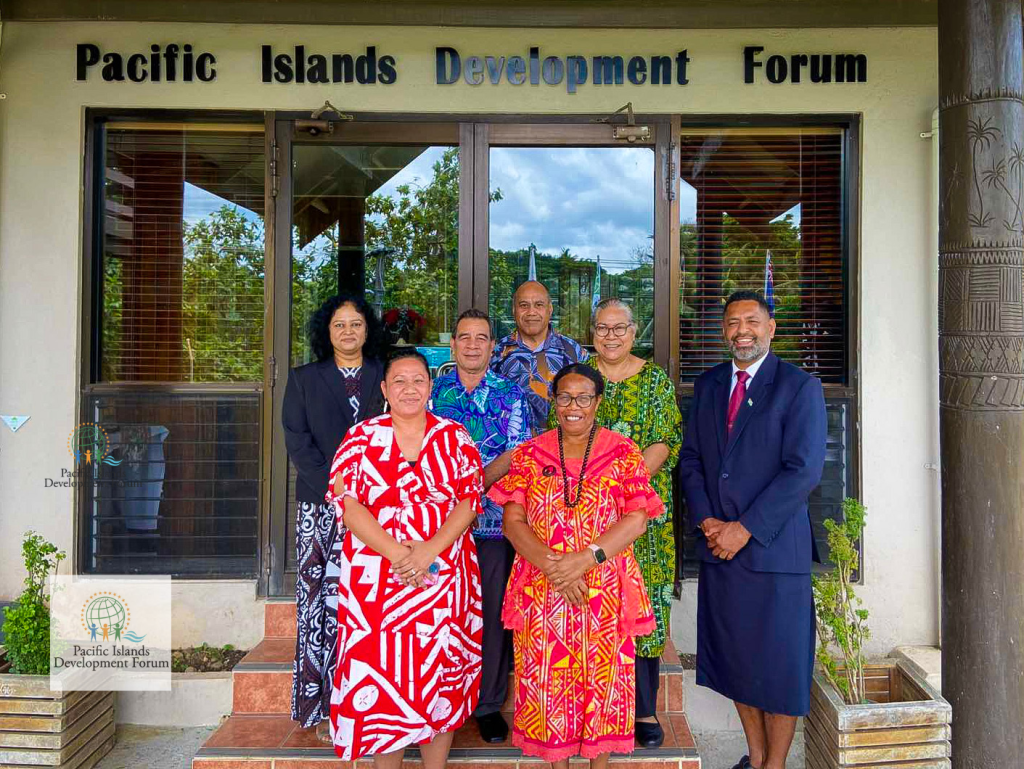
Pacific leaders reaffirm commitment to the Pacific Islands Development Forum
May 21, 2026 – The PIDF members collectively reaffirmed their strong confidence in and commitment to the Secretariat’s leadership and mandate, recognizing the PIDF as an important Pacific platform for advancing regional cooperation, inclusive dialogue, and sustainable development priorities across the Blue Pacific.
The PIDF is a Pacific islands multilateral agency set up as an action-oriented platform bringing together leaders from the public, private sector and civil society to address regional development challenges, and whose mission is to enable green-blue Pacific economies through inclusive strategies, multi-stakeholder governance, and genuine partnerships.
Located at 56 Domain Road Suva, Fiji, the PIDF’s role is to drive through national, regional and international frameworks, transformative changes by focusing on the sustainable and inclusive development of the Pacific Islands.
PIDF comprises of 12 members’ states, civil society organisation and private sector. The member states include Fiji, Federated States of Micronesia (FSM), Kiribati, Marshall Islands, Nauru, Palau, Solomon Islands, Timor Leste, Tokelau, Tonga, Tuvalu and Vanuatu.
Civil Society is represented by the Pacific Islands Association of Non-Government Organisations (PIANGO) and private sector by the Pacific Islands Private Sector Organisation (PIPSO).
The call to set up the “Pacific Island Development Forum” (PIDF) was endorsed by Pacific Island Leaders during the 2012 “Engaging with the Pacific” meeting that was held at the Westin International Hotel, Denarau, Nadi, Fiji, on August 23rd – 24th, 2012.
In the Official Communiqué, it recorded that the Leaders, “Endorsed the convening of the Pacific Islands Development Forum for the purpose of engaging leaders from key sectors in implementing green economic policies in Pacific Small Island Developing States.”
The PIDF Members’ Meeting was convened on 13 February 2026 to discuss a way forward for the PIDF.
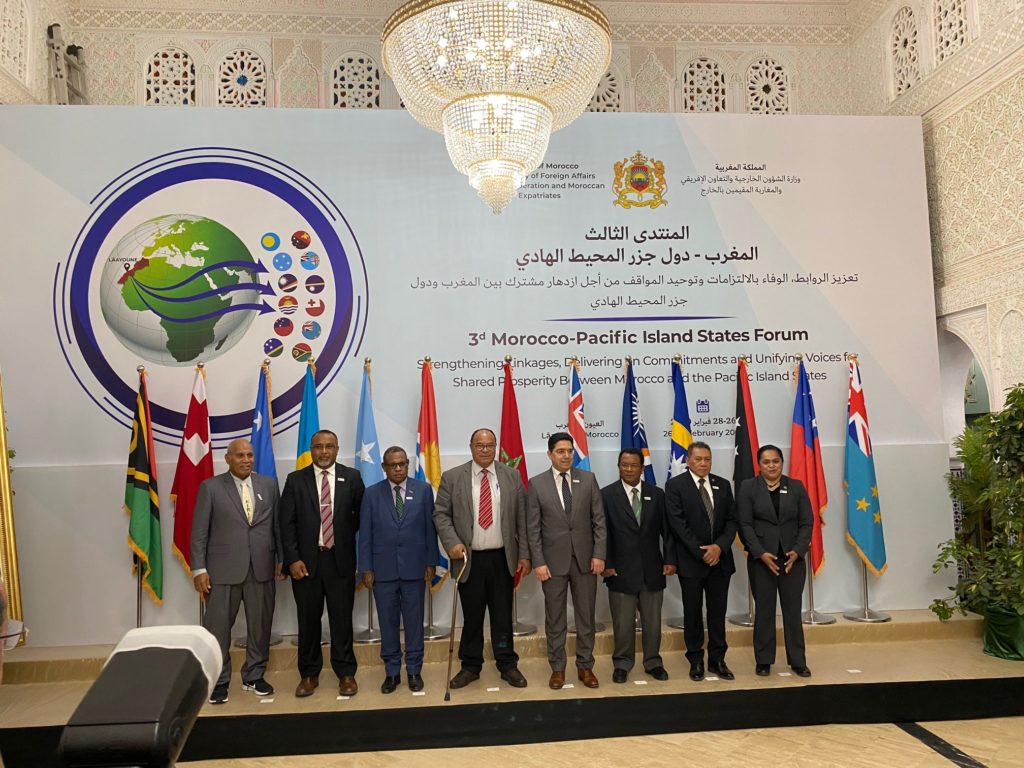
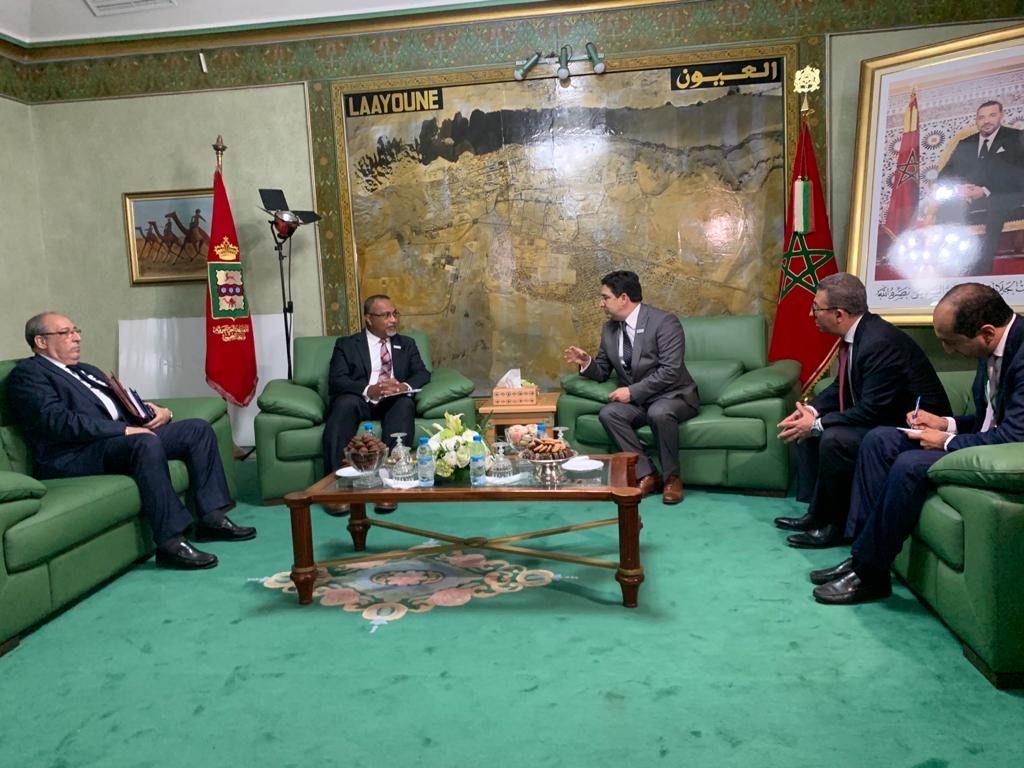
02 March 2020 – Ambassador Mara attended the 3rd Morocco-Pacific Islands Forum in Laayoune from 25-28 February and briefed the Moroccan’s senior government representatives on the PIDF’s mandate as a South-South Cooperation platform in the region tasked in supporting member states transits to greening their blue economy, with the active participation of the private sector and the successful delivery mechanism of civil societies to develop business application to sustain the work undertaken in conservation, climate action, renewable energy and ocean management.
Ambassador Mara accompanied Pacific Island leaders led by the Prime Minister of Tonga, the Speaker of the Nauru Parliament, the Foreign Ministers of PNG and Solomon Islands, and Ministers from Vanuatu, Kiribati, Palau and Marshall Islands. Ambassador Mara held bilateral meetings with senior Moroccan government representatives, including its Foreign Minister, the Minister for Energy & Environment, the Director of the Moroccan Agency for International Cooperation, the Director for Vocational Training, the Director-General of the Confederation of Moroccan Chamber of Commerce and the Senior-Executive of the of the Mohamed VI Polytechnic University.
The meeting adopted the Laayoune Declaration which reiterated the importance of urgently addressing the devastating impacts of Climate Change on the health, livelihood, culture and security of the Pacific Islands and acknowledged the commitment of the Moroccan Government to provide technical assistance and share sustainable development experiences and expertise in the area of Climate Change adaptation, Education/Training, Agriculture, Fisheries, Food Security and Health.
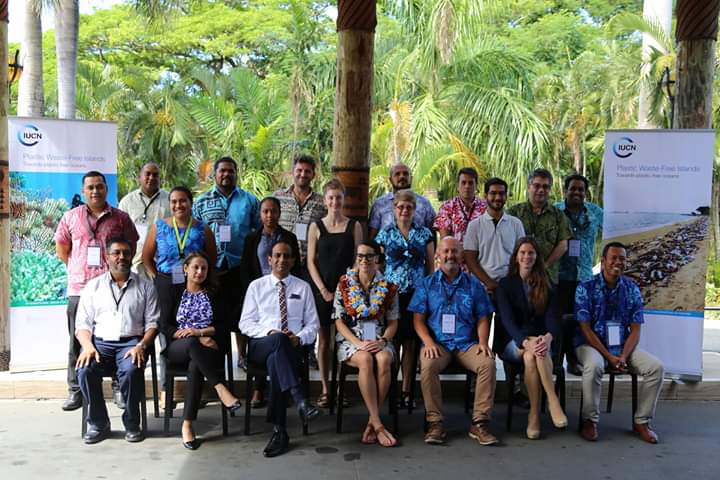
20 February 2020 – PIDF Team Leader Programme Management Mark Borg and Programme Management Coordinator Nikhil Lal participated in the inaugural meeting of the Plastic Waste Free Islands Project, implemented by the International Union for Conservation of Nature (IUCN) with financial support of the Norwegian Agency for Development Cooperation (Norad). The PIDF team emphasised the need to address the matter with urgency and ensure we have alternative and safe products in place before plastic bans are introduced, to find economically viable solutions and to involve the private sector at every step of the way as they will be the ones driving the transition.
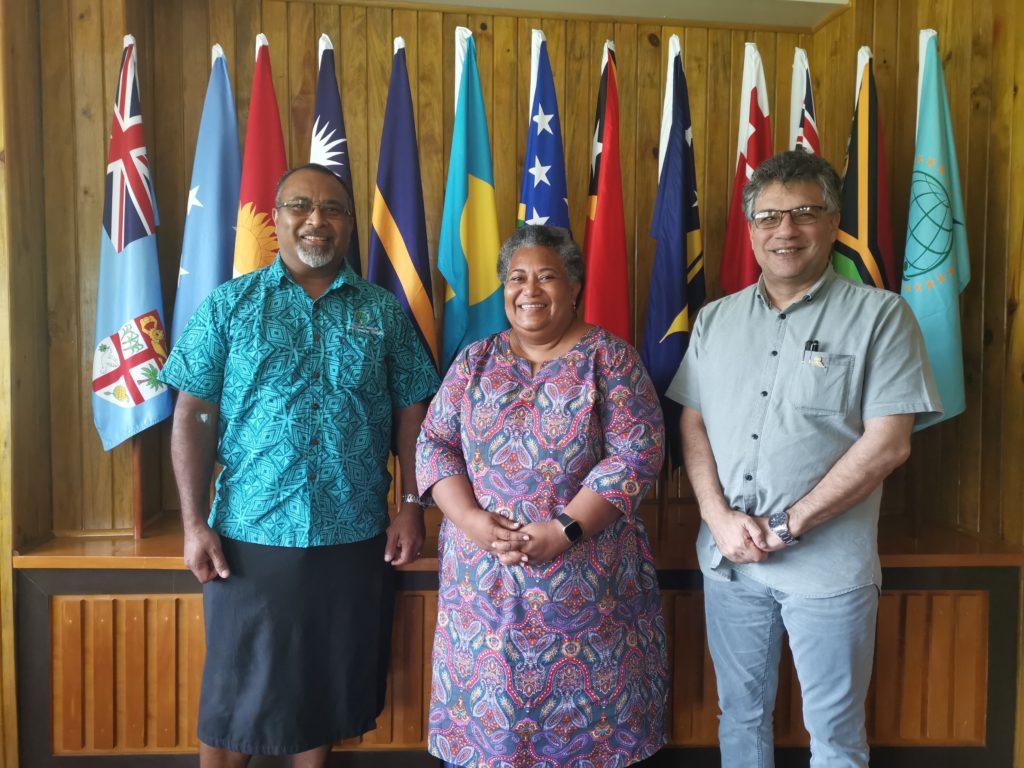
18 February 2020 – PIDF Secretary General Ambassador Solo Mara and Team Leader Programme Management Mark Borg met with Ms Susana Waqainabete-Tuisese, Country Director of the Fiji Programme of Conservation International to discuss collaboration in initiatives that support community income generation with Private Sector involvement that would also have positive conservation outcomes.
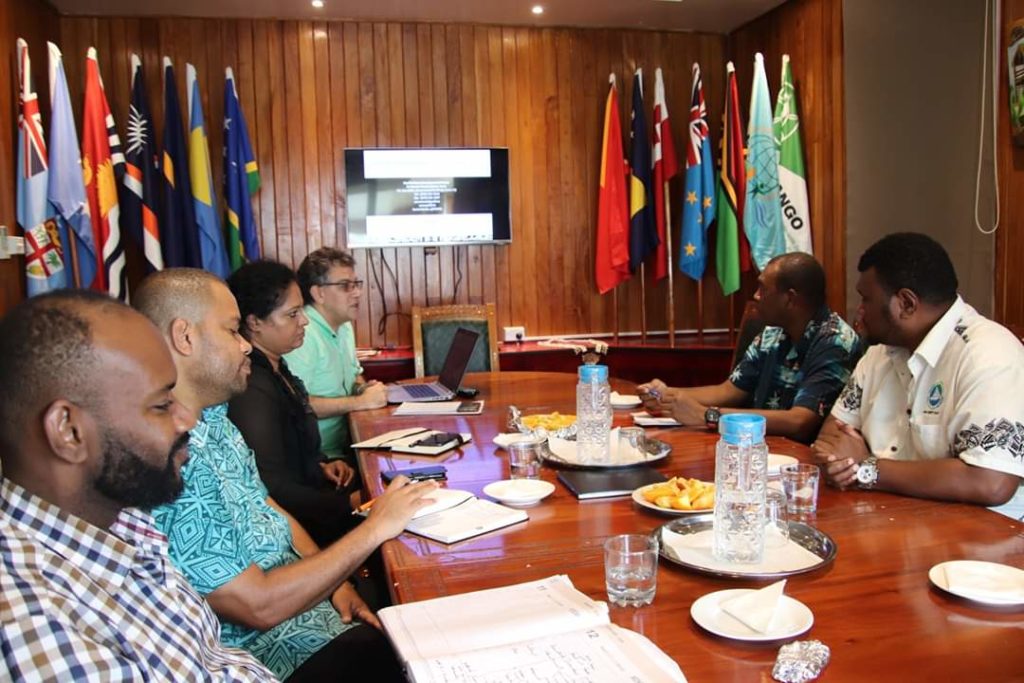
13 February 2020 – The PIDF Secretariat hosted a preliminary discussion and way forward on the Pacific Region’s Organisations Partnership (PROP) concept with representatives from MSG Secretariat, Mr Stanley Wapot (Programme Manager for Environment, Climate Change and Natural Resources Management) and Mr Christopher Waiwori (Senior Executive Officer). The Pacific Region is fortunate to have a number of organisations (Regional/Sub-Regional Organisations, International CSOs, UN Agencies, Academic Institutions and Interest Groups) performing important work related to Green/Blue Economy and Sustainable Development in order to improve the lives of Pacific people and their environment. For this reason these organisations have felt it necessary to form a lose partnership (called Pacific Region’s Organisations Partnership) to optimise the work of these organisations.
13 February 2020 – PIDF Secretariat hosted a Talanoa session on the Pacific Decade for Sustainable Transport. Ship owners and shipping agencies were encouraged to contribute their perspectives and suggestions for the common goal of reducing both costs and emissions by reducing the use of fossil fuel in the shipping sector. During the discussions ship owners recommended that Government needs to step in and play an important proactive role to support sustainable transport. Consultation with the private sector would be very vital to find solutions suitable for all. Sustainable transport systems make a positive contribution to the environmental, social and economic sustainability of the communities they serve. Transition to sustainable transport is important and the sector would benefit from the right regulations and incentives.
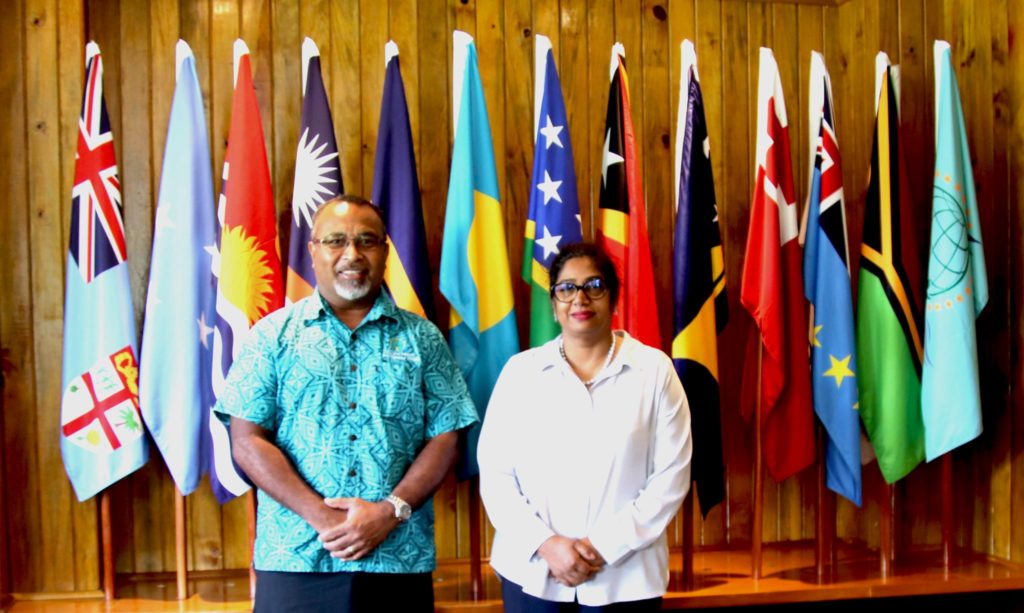
12 February 2020 – Ambassador Solo Mara acknowledged the Courtesy Visit by the Regional Representative of the United Nations Office of the High Commissioner for Human Rights, Ms. Chitralekha Massey this morning.
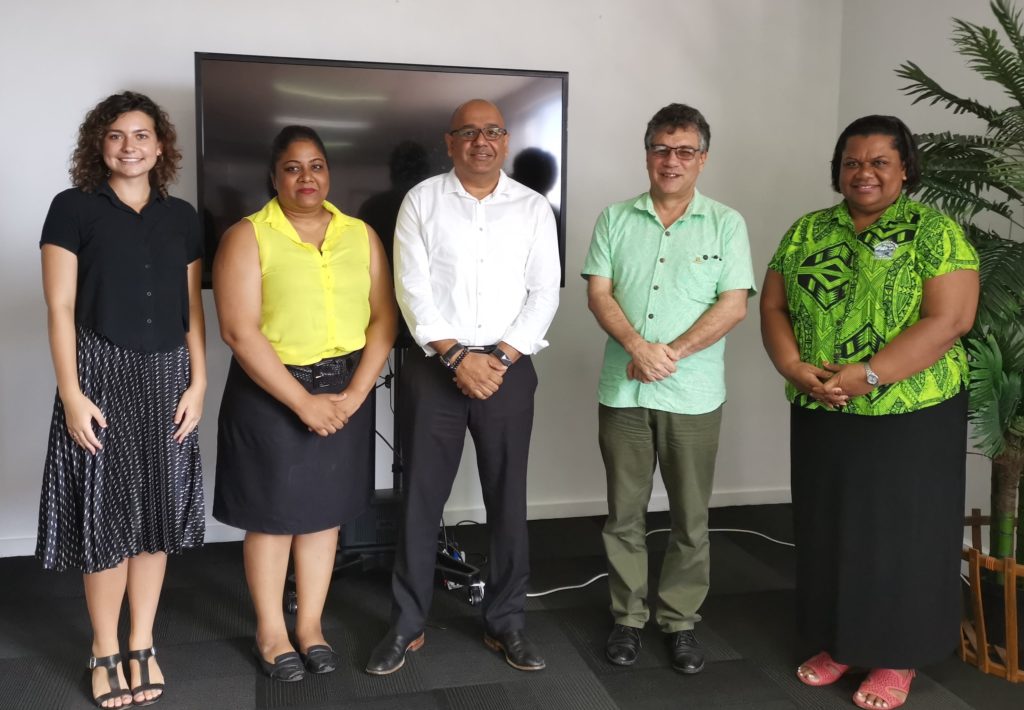
11 February 2020 – A PIDF Programme team consisting of Team Leader Mark Borg, Coordinator Afsrin Ali and Intern Jordan Longworth visited the Permanent Secretary of the Fiji Ministry of Agriculture Mr Ritesh Dass and the Chief Economist Ms Sera Bose to share information on PIDF initiatives as well as explore areas of collaboration. Read more.
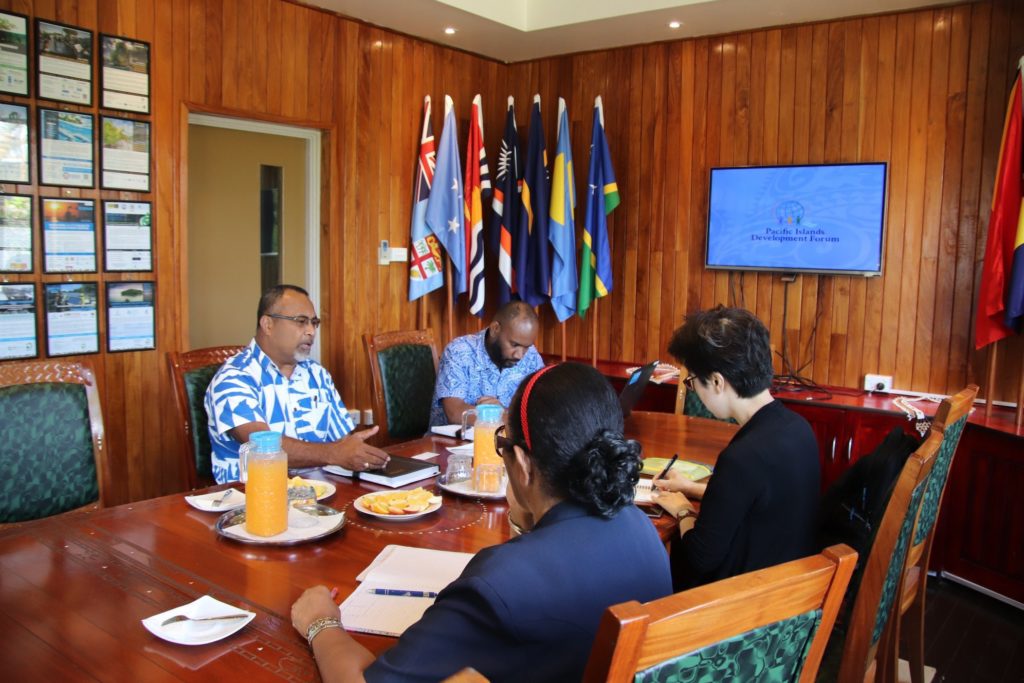
10 February 2020 – Pacific Islands Development Forum secretariat was honored to host Ms Miyeon Park, Portfolio Specialist- Asia and the Pacific of the United Nations Volunteers, where discussions centered on PIDF work in the Pacific and areas of mutual interest.
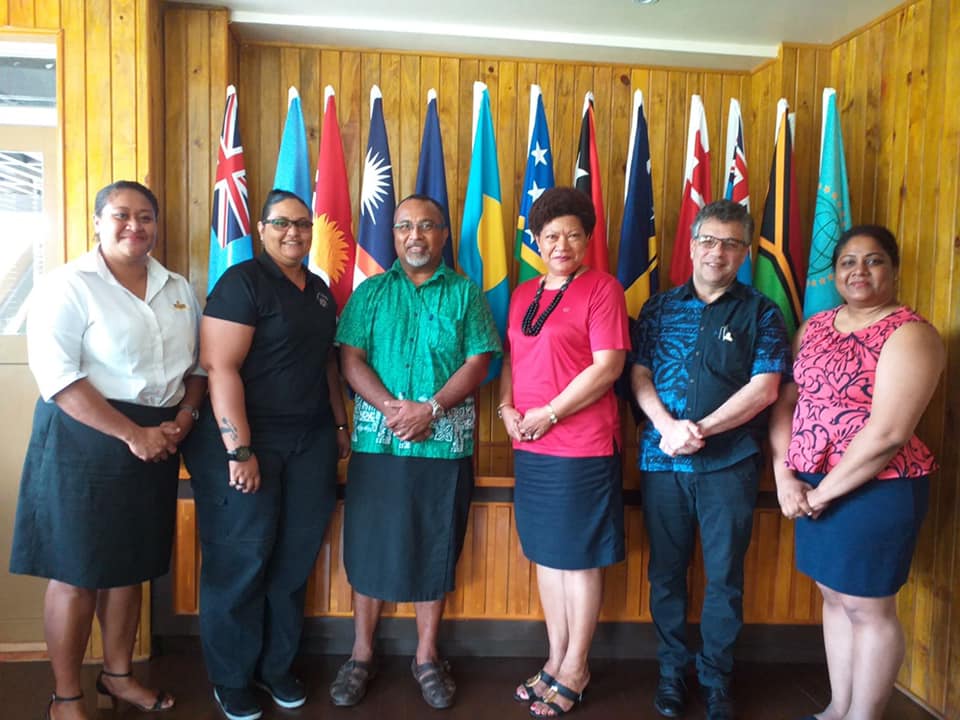
6 February 2020 – Ms. Eseta Nadakuitavuki the Manager of Women’s Markets and Sustainability for Westpac Banking Corporation in Fiji, who is also the current Vice President of Fiji Commerce and Employers Federation (FCEF) and is involved with one of its nine councils as the chair of the Women Entrepreneurs Business Council (WEBC) paid a courtesy call with her team to the PIDF Secretariat. PIDF Secretary General- Ambassador Solo Mara together with the PMU Team Leader Mr. Mark Borg and Coordinator Ms. Afsrin Ali briefed the WEBC team on the initiatives of PIDF and further discussed synergies and avenues of collaborations towards sustainable development especially for the women entrepreneurs in the private sector.
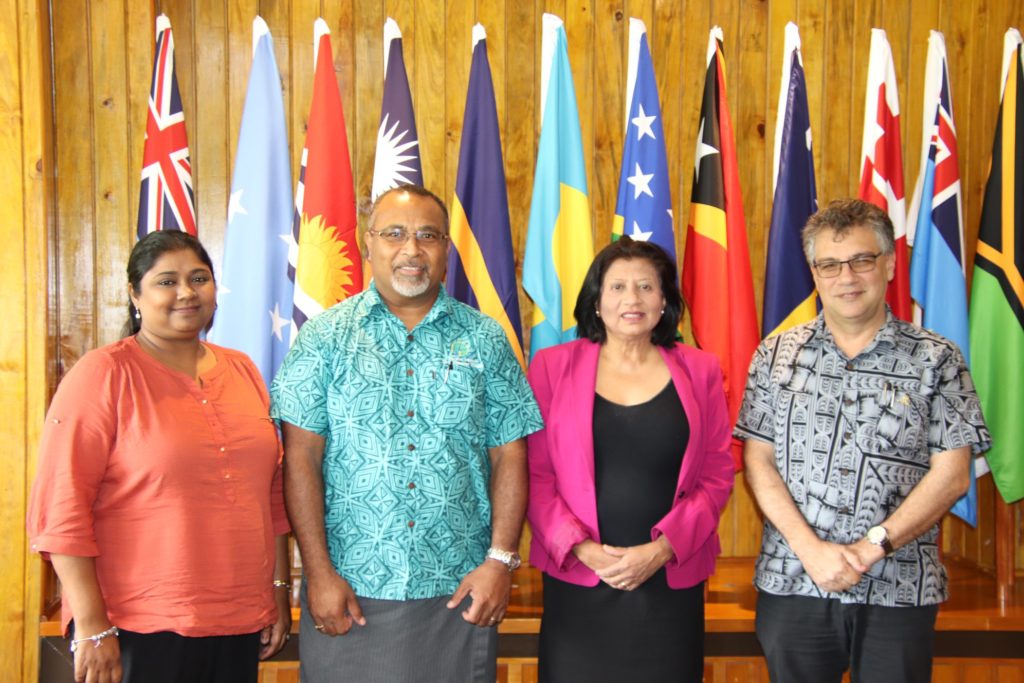
5 February 2020 – University of Fiji Vice Chancellor Professor Sushila Chang and the Registrar Ms Karishma Mani met with PIDF Secretary General Ambassador Solo Mara and Team Leader Programme Management Mark Borg to discuss ways to strengthen the partnership between the two organisations. In the meeting they shared information on their ongoing initiatives with the intention of involving University of Fiji students in research required to achieve PIDF’s mission and support Pacific Green and Blue Economies.
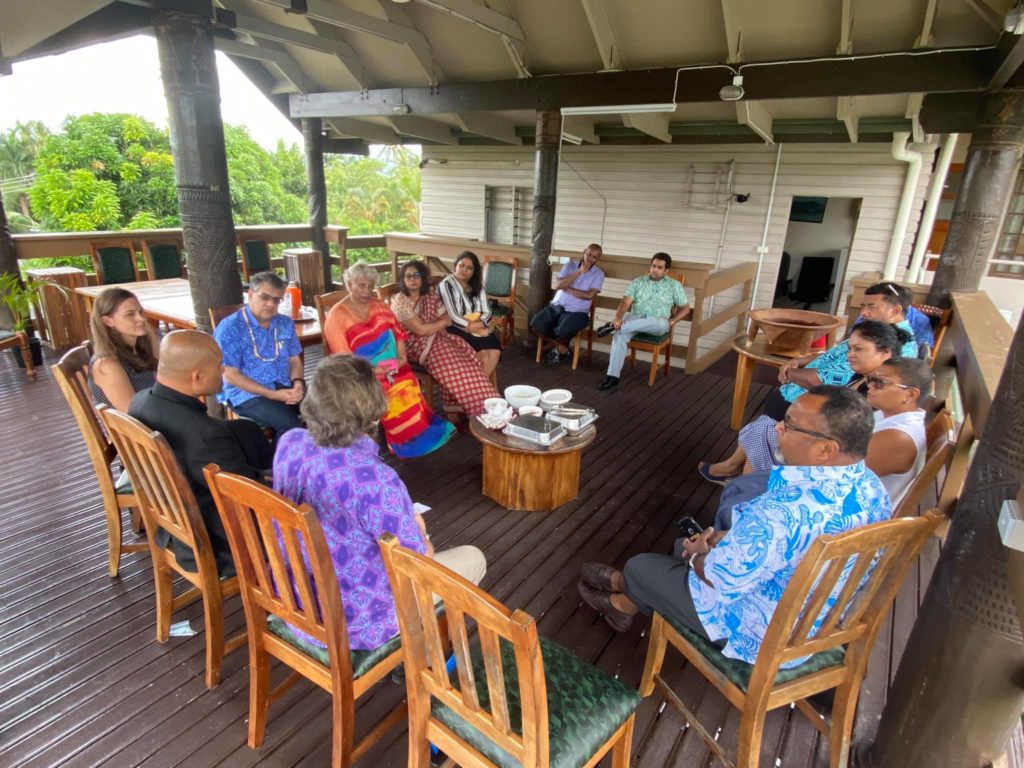
23 January 2020 – PIDF Secretariat hosted a Talanoa session this evening on “SEA LEVEL RISE AND MARITIME SOVEREIGNTIES IN THE PACIFIC”
It was an honor to have Professor Edvard Hviding who is from the University of Bergen. Professor Edvard Hviding’s on a major international research project he is undertaking on the subject matter as Project Director and funded by the Research Council of Norway through its programme for scientific excellence. The director presented agendas of research and invited opinions and suggestions from the prominent representatives of the Pacific region itself. The Talanoa forms part of the ongoing dialogues of the Mare Nullius project with the region.
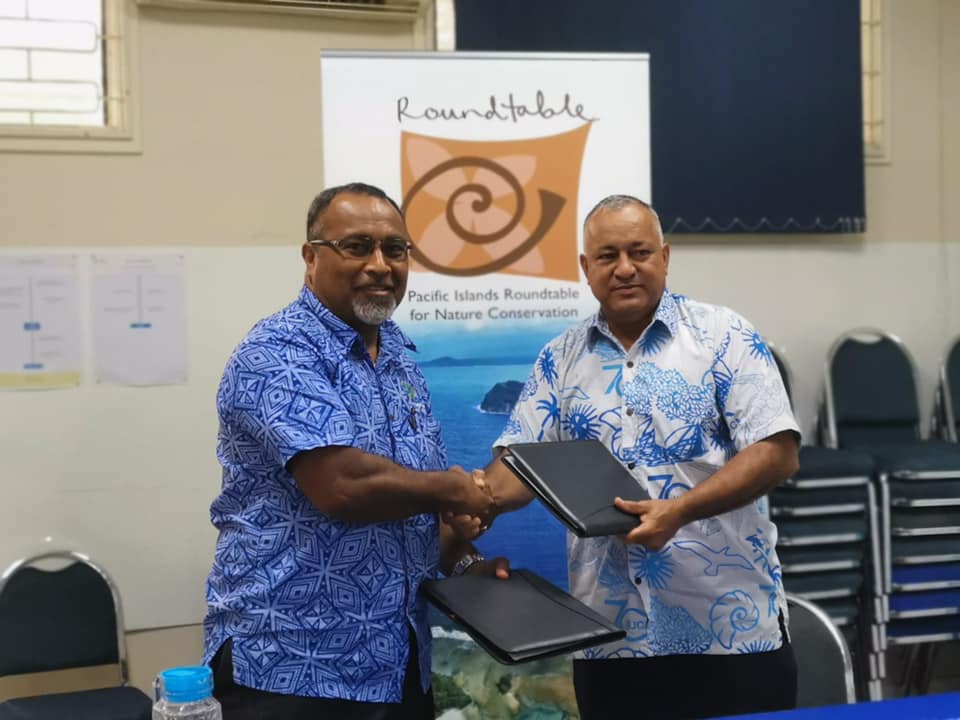
22 January 2020 – PIDF Secretary General Ambassador Solo Mara and Mr Mason Smith, Regional Director of the Oceania Regional Office of the International Union for Conservation of Nature, today signed an agreement for PIDF to become a member of the Pacific Islands Roundtable for Nature Conservation (PIRT). During the meeting the PIDF and IUCN also agreed to pursue collaborative efforts in areas of sustainable forest restoration and management, green packaging to replace plastic and other non-compostable packaging materials and marine spatial planning.
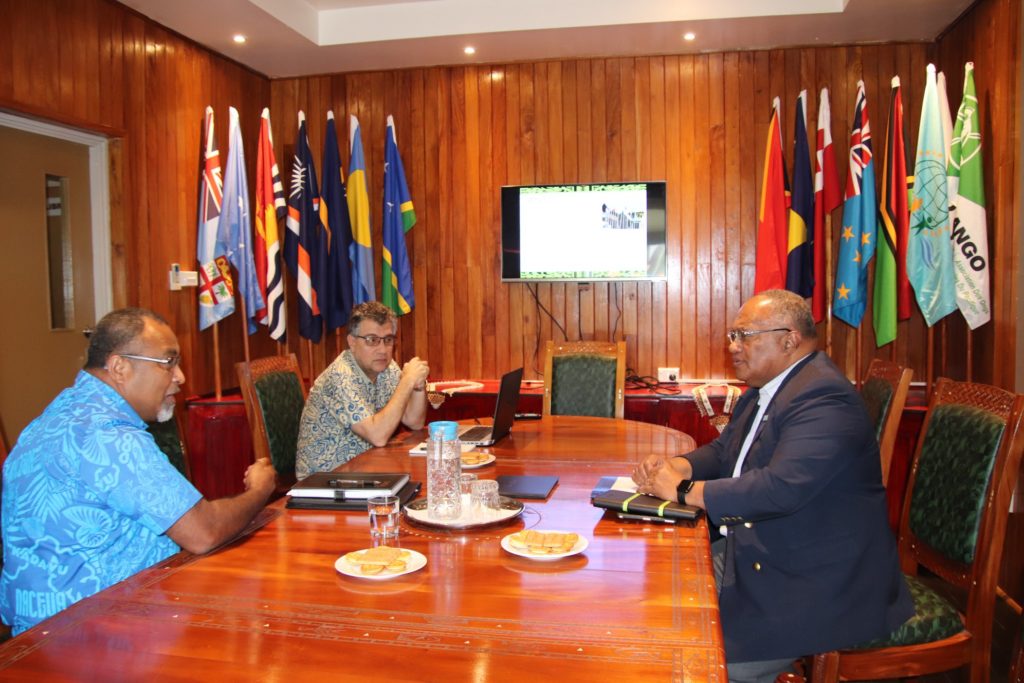
20 January 2020 – Ambassador Isikeli Uluinairai Mataitoga, who is an Ambassador of Fiji to Japan, was given an update of the work that PIDF is undertaking. It was acknowledged that some of these activities could have synergies with development work that Japanese entities were supporting.
Social Media